

A boiler pressure gauge that keeps dropping is more than an inconvenience, especially when you are topping it up every few days just to keep the heating or hot water running. A boiler losing pressure repeatedly is usually telling you that water is leaving the sealed heating system, or that a component designed to control pressure is no longer doing its job properly.
A one-off pressure drop after radiators have been bled can be normal. Repeated pressure loss is different. It deserves a proper diagnosis before a small fault turns into a boiler breakdown, a damaged component or a hidden leak.
What boiler pressure should be
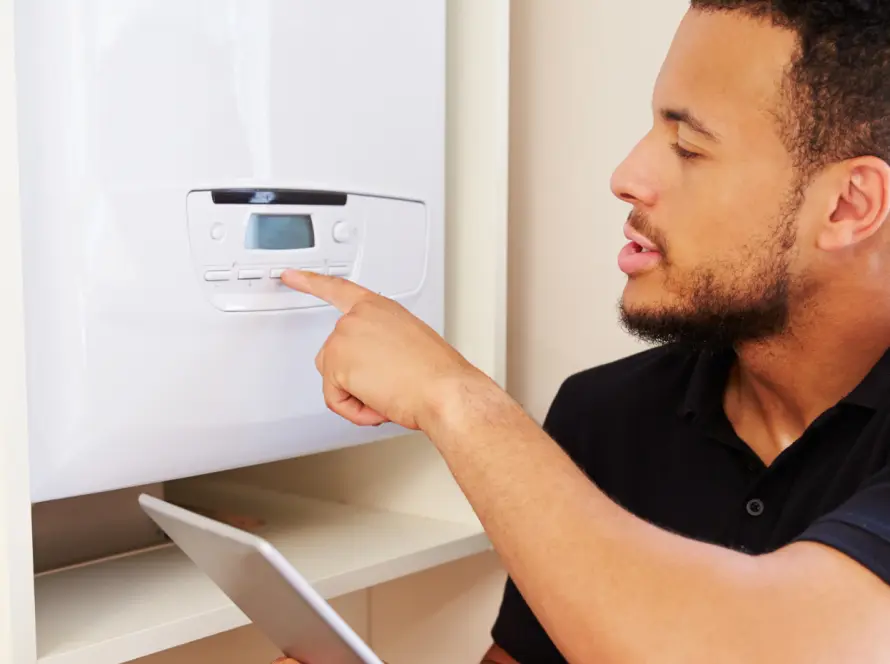
Most modern sealed central-heating systems should sit at roughly 1 to 1.5 bar when cold. Once the heating is running, the pressure will normally rise a little, often towards 1.5 to 2 bar. The exact recommended setting can vary by boiler, so check the instructions if they are available.
Pressure below around 1 bar may cause the boiler to stop or show a fault code. It is often possible to repressurise the system using the filling loop, but this should be a temporary response while you establish why the pressure fell. Repeatedly adding water without dealing with the cause can mask a problem and introduce fresh oxygen into the system, which can contribute to internal corrosion over time.
Why is your boiler losing pressure repeatedly?
The cause can range from a minor radiator valve seep to a fault inside the boiler. The pattern of pressure loss often gives a useful clue.
A leak on the heating system
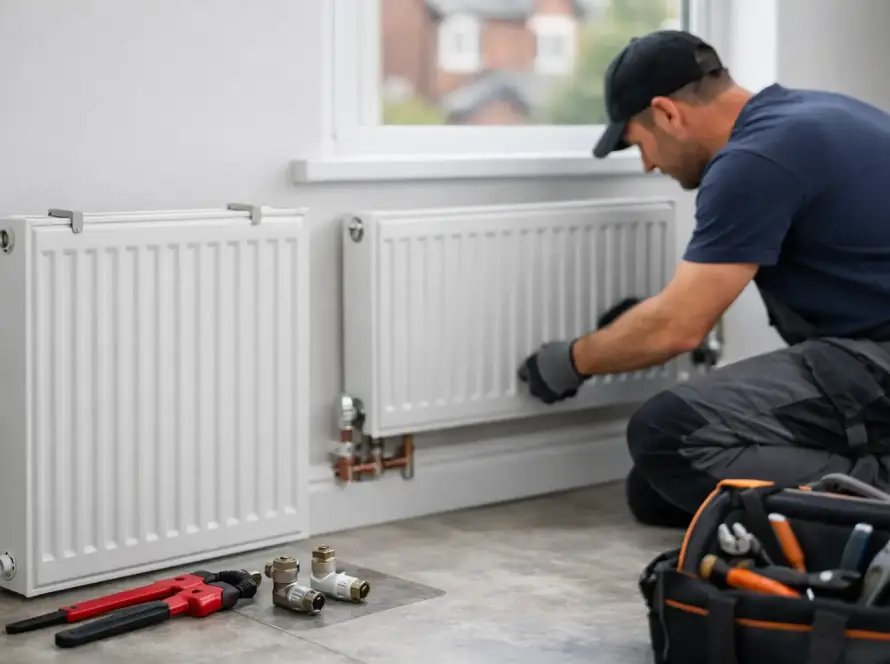
Small leaks are the most common reason for ongoing pressure loss. Check visible pipework, radiator valves, radiator bleed points and the connections beneath the boiler. Look for damp patches, staining, green or white deposits around fittings, corrosion, or a slow drip.
Not every leak is obvious. Pipes may run below floorboards, behind kitchen units or inside walls, while a very small leak may evaporate before it forms a puddle. In some properties, staining on ceilings below upstairs radiators or pipe runs is the first visible sign.
Do not confuse heating-system water with ordinary household plumbing. If the pressure gauge falls only when the central heating is involved, the issue is likely to be on the sealed heating circuit rather than a leaking tap or waste pipe.
A faulty pressure relief valve
Your boiler has a pressure relief valve, often called a PRV, which is there to protect the system if pressure becomes too high. When it operates, it discharges water through a copper pipe that usually terminates outside the property.
If this valve has opened due to an over-pressure event, it may not reseat fully afterwards. That can leave a slow, persistent discharge. Check the end of the external copper pipe for drips or signs that the ground is wet beneath it. Do this when the heating has been off for a while as well as after it has been running.
A PRV that is passing water is not normally a DIY repair. The underlying reason it opened also needs checking, otherwise replacing or resetting the valve alone may not resolve the pressure problem.
Expansion vessel problems
The expansion vessel manages the natural increase in water volume as your central heating warms up. Inside it is a sealed air charge separated from the heating water by a flexible diaphragm. If the air charge is low, or the diaphragm has failed, boiler pressure can climb sharply while the heating is on.
When pressure rises too high, the PRV releases water outside. As the system cools, the pressure then falls, sometimes to zero. This creates a frustrating cycle: you repressurise the boiler, the heating runs, pressure climbs, water discharges, then the gauge falls again.
A useful sign is pressure that looks acceptable when cold but rises close to 3 bar, or more, when the heating is hot. An engineer can test the vessel correctly, restore its charge where appropriate and establish whether it has failed.
Leaking boiler components
A boiler can lose pressure from an internal leak, including around the heat exchanger, pump, automatic air vent or hydraulic connections. You may see water beneath the boiler, staining inside the casing, or corrosion around components. However, some internal leaks are difficult to spot without removing the boiler case.
Do not remove the case yourself. Boiler internals should be inspected by a Gas Safe registered engineer, who can assess the fault safely and advise whether repair is sensible for the boiler’s age and condition.
Recent radiator bleeding or heating work
It is normal for pressure to fall after bleeding radiators because you have released air and, sometimes, a small amount of water. Repressurise the system to the manufacturer’s cold-pressure recommendation, then monitor it over the next week.
The same applies after a radiator replacement, a plumbing alteration or other heating work. A slight adjustment may be needed as residual air works its way through the system. If pressure continues to drop after that, it is not something to ignore.
Safe checks you can make at home
Before arranging a visit, there are a few simple observations that can help identify the issue. Let the system cool first, then note the pressure on the gauge. Run the heating and check it again once the radiators are warm. Finally, check it when the system has cooled down.
Look around accessible radiators and pipe joints for moisture or deposits, and inspect the external PRV discharge pipe for dripping. It is also useful to note how quickly the pressure falls. A drop from 1.5 bar to zero overnight suggests a more significant loss than a gradual fall over several weeks.
You can top up a sealed system if you are confident using the filling loop and following your boiler instructions. Fill slowly, stop at the correct cold pressure, and make sure both filling-loop valves are fully closed afterwards. Never leave the filling loop open, and do not keep raising pressure above the recommended level.
If you are unsure which valves to turn, stop there. Opening the wrong valve or overfilling the system can create another problem.
When to call a Gas Safe engineer
Book a repair visit if your boiler loses pressure more than once, you can see water from the PRV pipe, or the gauge rises dramatically when the heating is on. You should also call for help if there is water beneath the boiler, a recurring fault code, noisy operation, cold radiators alongside pressure loss, or any concern about the boiler casing.
A qualified engineer can pressure-test the system, check the expansion vessel, inspect the PRV and look for external or internal leaks. The right repair depends on the diagnosis. A worn valve may be a straightforward repair, while a hidden system leak may require more investigation. On an older boiler with several faults, it can also be worth comparing repair costs with replacement options rather than spending money repeatedly on short-term fixes.
For homeowners and landlords in Bolton and the surrounding area, GASCON Ltd can investigate recurring boiler pressure problems, explain the findings in plain English and provide clear options before work begins. Fast action is especially worthwhile in winter, when a minor pressure issue can quickly leave a household without reliable heating or hot water.
Can annual servicing prevent pressure loss?
An annual boiler service will not prevent every leak, but it gives an engineer an opportunity to check the boiler’s condition, safety controls and visible signs of wear. Catching corrosion, a passing valve or pressure behaviour early can reduce the risk of an unexpected breakdown.
Servicing is particularly valuable if your boiler is getting older, has needed previous repairs, or sits in a cupboard where small leaks could go unnoticed. Keep an eye on the pressure gauge between services too. A quick photograph of the gauge when the boiler is cold can make it easier to spot a gradual change.
Do not accept repeated repressurising as part of normal boiler ownership. A healthy sealed system should hold pressure for long periods. Getting the cause checked properly protects your heating, helps avoid avoidable water damage and gives you confidence that the boiler is ready when you need it most.