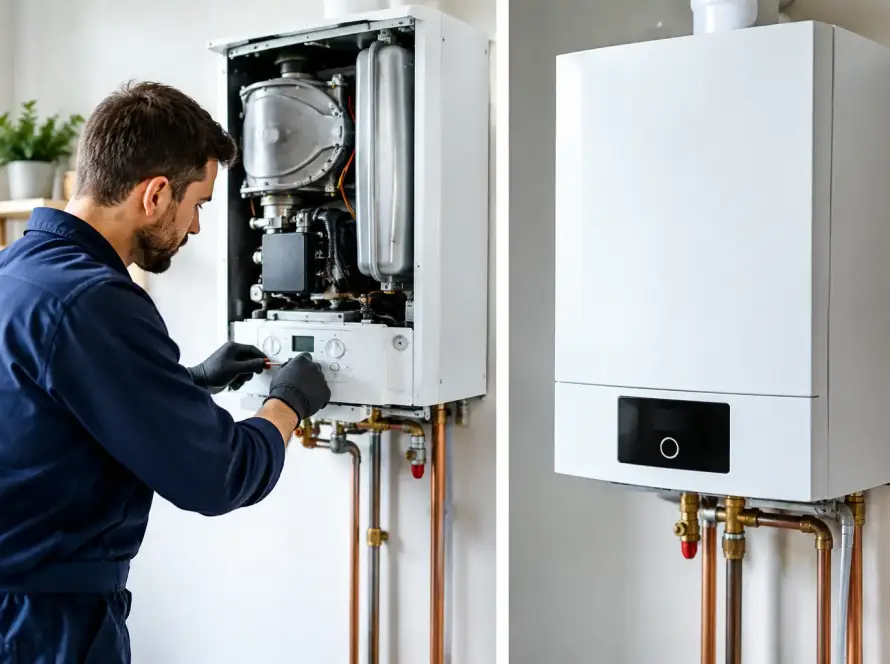


A hot shower that suddenly turns lukewarm, water dripping from an outside pipe, or a cylinder cupboard that feels unusually warm can quickly turn a normal day into a worry. If you need unvented cylinder repair Bolton homeowners can rely on, the priority is not simply getting the hot water back. It is making sure the system is checked and repaired safely by a suitably qualified engineer.
An unvented cylinder stores hot water under pressure from the mains. That is what gives you strong water flow at showers and taps without needing a cold-water storage tank in the loft. It is an excellent arrangement for many homes, but the safety controls on the cylinder need to work exactly as intended. A fault should never be ignored or treated as a DIY job.
When unvented cylinder repair in Bolton cannot wait
A small change in hot-water performance may be caused by something straightforward, such as a thermostat setting or an ageing motorised valve. Other signs point to a safety component doing its job – or signalling that another part of the system needs attention.
Water coming from a copper pipe outside is one of the clearest examples. This is often the discharge pipe from the temperature and pressure relief valve or expansion relief valve. It must not be capped, blocked or overlooked. The valve may be releasing water because of excess pressure, overheating, a failed expansion vessel or a faulty control. Even if the dripping stops, the cause needs investigating.
Call for professional help promptly if you notice water from the discharge pipe, water leaking around the cylinder or valves, no hot water, unusually hot water at the taps, banging or rumbling from the cylinder, or a pressure gauge that repeatedly rises too high. If water is escaping heavily, there is a risk of electrical damage, or you suspect overheating, turn off the heat source if it is safe to do so and seek urgent assistance.
Do not attempt to lift a lever on a relief valve, alter pressure settings or remove the cylinder cover yourself. Unvented hot-water systems are pressurised, and their controls are there to protect your household.
What commonly goes wrong with an unvented cylinder?
The exact repair depends on the type of cylinder, its age and whether it is heated by a gas boiler, immersion heater, heat pump or solar system. A proper diagnosis matters because two faults can produce the same symptom. A lack of hot water, for example, could be caused by the boiler, programmer, zone valve, cylinder thermostat, immersion heater or a problem with the cylinder itself.
A failed expansion vessel is a common cause of discharge from the relief pipe. The vessel accommodates the natural expansion of water as it heats. When it loses its charge or its internal diaphragm fails, pressure rises and the safety valve opens to relieve it. Recharging or replacing the vessel may resolve the issue, but the engineer should also inspect the relief valve, which can sometimes continue to drip after operating.
Thermostat and thermal cut-out faults are another regular issue. These controls tell the boiler or immersion heater when to stop heating the stored water. If they fail, you may have water that is not hot enough, no hot water at all, or water that is dangerously hot. The safety cut-out should never be bypassed.
Immersion heater problems tend to show up where the immersion provides the main hot-water source or acts as a backup. A failed element, loose electrical connection or faulty timer can leave you without hot water even though the cylinder itself is sound. Limescale can also affect performance in hard-water areas, particularly over many years of use.
Leaks need a careful assessment. A weeping compression fitting, valve or tundish connection may be repairable. A leak from the cylinder body is more serious and can mean corrosion has compromised the tank. In that situation, replacement is often the sensible long-term option rather than repeatedly repairing surrounding parts.
Why the right qualification matters
Unvented cylinders are governed by specific safety requirements. In England, work on an unvented hot-water storage system should be carried out by a person with the appropriate current unvented-cylinder qualification, commonly referred to as G3 certification.
If your cylinder is connected to a gas boiler, the engineer also needs the relevant Gas Safe registration for the gas work involved. Gas Safe registration and an unvented qualification are different things, so it is reasonable to ask about both. A competent engineer will be happy to explain what they are qualified to work on and what the repair involves.
This is not paperwork for paperwork’s sake. The controls fitted to an unvented cylinder – including relief valves, thermostats, expansion arrangements and discharge pipework – work together to manage heat and pressure. Replacing a part without testing the whole safety chain can leave the underlying fault unresolved.
What a professional repair visit should involve
A good repair begins with questions. When did the fault start? Does it happen only when the cylinder heats? Is the boiler displaying an error code? Has water been dripping continuously or only at certain times? These details can help narrow down the cause before testing begins.
On site, the engineer should inspect the cylinder, visible pipework, tundish, discharge route and connected heating controls. They may test temperatures, pressure, electrical supply to an immersion heater, thermostat operation, expansion vessel performance and the boiler or heat source. The system should be isolated where necessary before any component is changed.
Once the cause is identified, you should receive a clear explanation of the repair options and expected cost. Some faults can be resolved with a replacement valve, thermostat, immersion element or expansion vessel. Where a cylinder is badly corroded, has suffered a major leak or has become costly to keep repairing, replacement may offer better value.
The best option depends on the condition of the full system. Replacing a single failed part is usually the right call on a well-maintained cylinder with years of useful life left. Installing a new cylinder can be more economical if several key components are failing, the insulation is poor or the tank itself is deteriorating.
Can you prevent future cylinder faults?
Annual servicing is the practical way to catch small issues before they become a loss of hot water or a leak. During a service, an appropriately qualified engineer can inspect safety controls, check for signs of discharge, assess the expansion vessel and look over valves and pipework. They can also identify whether the cylinder is heating efficiently and whether system controls are operating as they should.
Keep the cylinder cupboard accessible and avoid storing heavy items against valves or pipework. If you spot moisture, corrosion or staining beneath the cylinder, take a photo and arrange an inspection rather than waiting for a full leak. It is also worth knowing where the relevant isolation valves are, although you should only operate them if you have been advised to do so or there is an immediate leak.
For landlords, regular checks are particularly useful between tenancies. A tenant may not notice a slow drip from an external discharge pipe or understand that fluctuating hot-water temperatures need reporting. Addressing the issue early helps protect both the property and the people living in it.
Choosing help for your hot-water system
When hot water fails, it is tempting to choose the quickest available option. Speed matters, but so does specialist competence. Ask whether the engineer is qualified for unvented-cylinder work, whether they will diagnose the underlying cause rather than only stop the visible symptom, and whether the price will be explained before work goes ahead.
For Bolton homeowners and landlords, GASCON Ltd provides local, engineer-led help for planned unvented-cylinder repairs and urgent heating and plumbing problems. Clear communication, clean workmanship and a proper safety check make a real difference when your home’s hot water system is under pressure.
A cylinder fault does not always mean a costly replacement, but it does deserve prompt attention. Getting a qualified engineer to assess it early can protect your hot water, your home and your peace of mind.