Skip to content Skip to footer

Central Heating Installation Bolton Explained

A new heating system is a major change to your home, not just a replacement for an old boiler. Done well, central heating installation Bolton can make every room more comfortable, improve control over your energy use and remove the worry of an unreliable system letting you down in winter. Done badly, it can leave you with cold spots, noisy pipework and a system that costs more to run than it should.

For homeowners and landlords in Bolton, the right starting point is not choosing the first boiler with a tempting price. It is having the property assessed properly by a qualified local engineer who can design a system around the home, the people living in it and the hot-water demand.

When is a new central heating system worth considering?

A boiler replacement is often enough where the existing pipework, radiators and controls are in good condition. However, a full or partial central heating installation may be the sensible option if your home has no wet heating system, the radiators are repeatedly failing, pipework is badly corroded, or rooms are consistently hard to heat.

Older properties in Bolton can be particularly varied. A Victorian terrace, a 1930s semi and a newer-build detached home may all need a different approach. Extensions, loft conversions and altered room layouts can also leave an existing system undersized. If the boiler has been changed in the past but the rest of the system has not, it may be working harder than necessary to push heat through ageing radiators and pipework.

Common signs that it is time to look beyond another repair include frequent pressure loss, discoloured water when radiators are bled, cold areas at the bottom of radiators, uneven temperatures between rooms and a boiler that struggles to provide hot water while the heating is running. These symptoms do not always mean a whole new system is required, which is why an honest assessment matters.

Central heating installation Bolton: what is involved?

Every installation should begin with a survey. An engineer needs to understand the size and layout of the property, insulation levels, number of bathrooms, existing gas supply, boiler location and where the flue can be positioned safely. This is how the system is sized correctly rather than guessed.

The work may involve fitting a new boiler, replacing or adding radiators, running new pipework, installing thermostatic radiator valves, flushing the system and connecting controls. In some homes, it can also include upgrading system wiring or fitting an unvented cylinder for improved hot-water performance. The scope depends on what is already in place and what the household needs.

A straightforward boiler and radiator upgrade may take a few days. A complete installation in a property without central heating, or a larger renovation, can take longer. The key is clear planning before work starts: where engineers will need access, whether floorboards need lifting, which rooms will be temporarily out of use and how the home will be protected from dust and disruption.

A good installer will explain these points in plain language and provide a fixed-price quotation that separates the proposed work from optional upgrades. That gives you a fair basis for comparing quotes without being caught out by vague allowances later.

Boiler size is not about buying the biggest model

An oversized boiler is not automatically better. It can cost more upfront and may not run as efficiently as a correctly specified model. Equally, an undersized boiler can struggle when several people need hot water or when the heating demand is high.

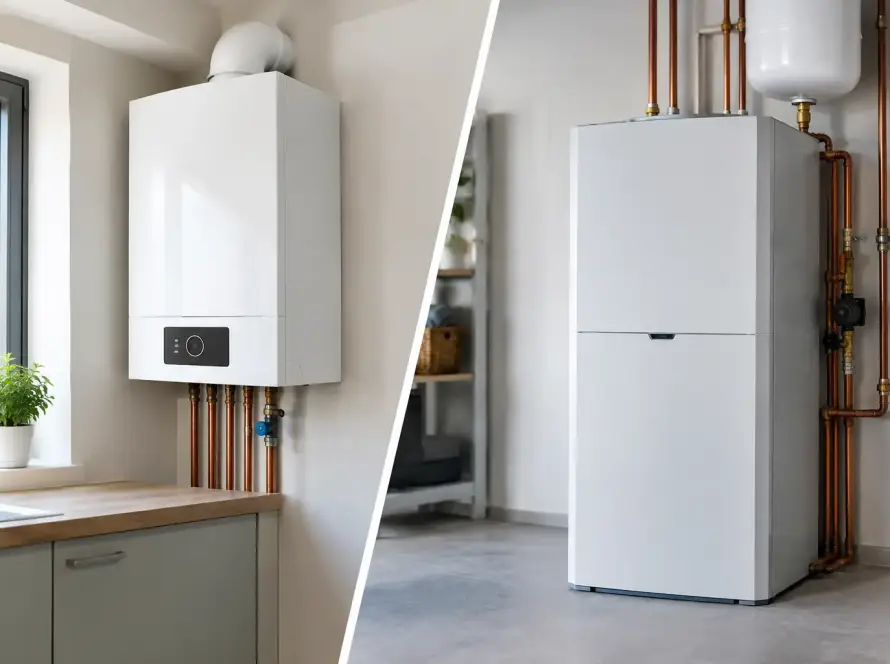
For many homes, the choice comes down to a combi boiler, a system boiler with a hot-water cylinder, or occasionally a conventional boiler setup. A combi can be an excellent space-saving option for a smaller household with one bathroom. A system boiler and cylinder may suit a larger home where two showers could be used at once. Water pressure, available space and daily routines all affect the right answer.

This is also where practical experience counts. The best setup for a three-bedroom family home is not necessarily the best one for a landlord property, a bungalow or a home with a newly added en-suite.

Radiators and pipework deserve equal attention

A new boiler cannot fully compensate for poorly sized radiators. Each room needs enough heat output for its size, use and heat loss. A large north-facing lounge with older glazing will need a different radiator output from a small, well-insulated bedroom.

Modern radiators can respond more quickly and work effectively at lower flow temperatures, helping an efficient boiler perform at its best. Vertical radiators, towel rails and designer options may suit the look of a room, but heat output should always come first.

Pipework condition matters too. Where old pipework is sound, it may be possible to retain it after thorough cleaning and treatment. Where it is restricted, leaking or poorly routed, replacement may prevent repeated problems later. There is a trade-off: keeping existing pipework can reduce disruption and cost, while renewing it provides a cleaner starting point for a long-term system.

Controls make a real difference to running costs

Heating controls are not an afterthought. A programmable thermostat allows the home to warm up when it is needed rather than running on a fixed pattern that no longer fits your routine. Zoned heating can be useful in larger properties, especially where bedrooms and living areas are used at different times.

Smart controls such as Hive or Nest can give you app-based adjustment, schedules and clearer insight into how the heating is being used. They are useful for busy households, landlords and anyone who regularly comes home at varying times. They are not a substitute for a well-designed heating system, but they can make a good system easier to run efficiently.

Thermostatic radiator valves also give room-by-room control. They should not be fitted in the same room as the main thermostat in a way that conflicts with it, so the controls need to be planned as a complete setup rather than added piecemeal.

Safety, standards and choosing the right installer

Any work involving a gas boiler must be carried out by a Gas Safe registered engineer. This is not simply paperwork. It protects your household by ensuring the installation, gas supply, flue and safety checks are completed to the required standard.

Ask who will carry out the work, whether the quotation includes commissioning, system cleansing, inhibitor, controls and removal of old equipment. You should also know what warranty applies and what you need to do to keep it valid. Many manufacturers require annual servicing by a qualified engineer, so it is worth factoring that into your ongoing plan.

Local experience is valuable because it brings accountability. You want an engineer who turns up when promised, communicates if plans change and treats your home with care. GASCON Ltd combines Gas Safe work with more than 20 years of practical heating experience, providing homeowners with clear advice on installations as well as responsive help if problems arise.

How to prepare your home for installation

Before work begins, clear access around the boiler, radiators and any areas where pipework will be installed. Move fragile items from shelves and floors, and let the engineer know about parking restrictions, pets, alarm systems or rooms that need particular care.

If you are renovating, coordinate the heating installation with other trades. First-fix pipework is often best completed before plastering, flooring or kitchen units are fitted. Making these decisions early can avoid unnecessary lifting, making good and delays.

You should expect a short period without heating or hot water while the system is changed over. Your installer should make this clear in advance, particularly if work is scheduled during colder weather. Once the work is complete, ask for a demonstration of the boiler and controls, plus straightforward advice on pressure, servicing and what to do if a fault code appears.

The most reassuring central heating installation is one that feels carefully planned from the first survey to the final handover. A proper design, a clear quote and a qualified local engineer give you more than new equipment – they give you confidence that your home will stay warm when it matters most.


Leave a comment

0.0/5

A new heating system is a major change to your home, not just a replacement for an old boiler. Done well, central heating installation Bolton can make every room more comfortable, improve control over your energy use and remove the worry of an unreliable system letting you down in winter. Done badly, it can leave you with cold spots, noisy pipework and a system that costs more to run than it should.

For homeowners and landlords in Bolton, the right starting point is not choosing the first boiler with a tempting price. It is having the property assessed properly by a qualified local engineer who can design a system around the home, the people living in it and the hot-water demand.

When is a new central heating system worth considering?

A boiler replacement is often enough where the existing pipework, radiators and controls are in good condition. However, a full or partial central heating installation may be the sensible option if your home has no wet heating system, the radiators are repeatedly failing, pipework is badly corroded, or rooms are consistently hard to heat.

Older properties in Bolton can be particularly varied. A Victorian terrace, a 1930s semi and a newer-build detached home may all need a different approach. Extensions, loft conversions and altered room layouts can also leave an existing system undersized. If the boiler has been changed in the past but the rest of the system has not, it may be working harder than necessary to push heat through ageing radiators and pipework.

Common signs that it is time to look beyond another repair include frequent pressure loss, discoloured water when radiators are bled, cold areas at the bottom of radiators, uneven temperatures between rooms and a boiler that struggles to provide hot water while the heating is running. These symptoms do not always mean a whole new system is required, which is why an honest assessment matters.

Central heating installation Bolton: what is involved?

Every installation should begin with a survey. An engineer needs to understand the size and layout of the property, insulation levels, number of bathrooms, existing gas supply, boiler location and where the flue can be positioned safely. This is how the system is sized correctly rather than guessed.

The work may involve fitting a new boiler, replacing or adding radiators, running new pipework, installing thermostatic radiator valves, flushing the system and connecting controls. In some homes, it can also include upgrading system wiring or fitting an unvented cylinder for improved hot-water performance. The scope depends on what is already in place and what the household needs.

A straightforward boiler and radiator upgrade may take a few days. A complete installation in a property without central heating, or a larger renovation, can take longer. The key is clear planning before work starts: where engineers will need access, whether floorboards need lifting, which rooms will be temporarily out of use and how the home will be protected from dust and disruption.

A good installer will explain these points in plain language and provide a fixed-price quotation that separates the proposed work from optional upgrades. That gives you a fair basis for comparing quotes without being caught out by vague allowances later.

Boiler size is not about buying the biggest model

An oversized boiler is not automatically better. It can cost more upfront and may not run as efficiently as a correctly specified model. Equally, an undersized boiler can struggle when several people need hot water or when the heating demand is high.

For many homes, the choice comes down to a combi boiler, a system boiler with a hot-water cylinder, or occasionally a conventional boiler setup. A combi can be an excellent space-saving option for a smaller household with one bathroom. A system boiler and cylinder may suit a larger home where two showers could be used at once. Water pressure, available space and daily routines all affect the right answer.

This is also where practical experience counts. The best setup for a three-bedroom family home is not necessarily the best one for a landlord property, a bungalow or a home with a newly added en-suite.

Radiators and pipework deserve equal attention

A new boiler cannot fully compensate for poorly sized radiators. Each room needs enough heat output for its size, use and heat loss. A large north-facing lounge with older glazing will need a different radiator output from a small, well-insulated bedroom.

Modern radiators can respond more quickly and work effectively at lower flow temperatures, helping an efficient boiler perform at its best. Vertical radiators, towel rails and designer options may suit the look of a room, but heat output should always come first.

Pipework condition matters too. Where old pipework is sound, it may be possible to retain it after thorough cleaning and treatment. Where it is restricted, leaking or poorly routed, replacement may prevent repeated problems later. There is a trade-off: keeping existing pipework can reduce disruption and cost, while renewing it provides a cleaner starting point for a long-term system.

Controls make a real difference to running costs

Heating controls are not an afterthought. A programmable thermostat allows the home to warm up when it is needed rather than running on a fixed pattern that no longer fits your routine. Zoned heating can be useful in larger properties, especially where bedrooms and living areas are used at different times.

Smart controls such as Hive or Nest can give you app-based adjustment, schedules and clearer insight into how the heating is being used. They are useful for busy households, landlords and anyone who regularly comes home at varying times. They are not a substitute for a well-designed heating system, but they can make a good system easier to run efficiently.

Thermostatic radiator valves also give room-by-room control. They should not be fitted in the same room as the main thermostat in a way that conflicts with it, so the controls need to be planned as a complete setup rather than added piecemeal.

Safety, standards and choosing the right installer

Any work involving a gas boiler must be carried out by a Gas Safe registered engineer. This is not simply paperwork. It protects your household by ensuring the installation, gas supply, flue and safety checks are completed to the required standard.

Ask who will carry out the work, whether the quotation includes commissioning, system cleansing, inhibitor, controls and removal of old equipment. You should also know what warranty applies and what you need to do to keep it valid. Many manufacturers require annual servicing by a qualified engineer, so it is worth factoring that into your ongoing plan.

Local experience is valuable because it brings accountability. You want an engineer who turns up when promised, communicates if plans change and treats your home with care. GASCON Ltd combines Gas Safe work with more than 20 years of practical heating experience, providing homeowners with clear advice on installations as well as responsive help if problems arise.

How to prepare your home for installation

Before work begins, clear access around the boiler, radiators and any areas where pipework will be installed. Move fragile items from shelves and floors, and let the engineer know about parking restrictions, pets, alarm systems or rooms that need particular care.

If you are renovating, coordinate the heating installation with other trades. First-fix pipework is often best completed before plastering, flooring or kitchen units are fitted. Making these decisions early can avoid unnecessary lifting, making good and delays.

You should expect a short period without heating or hot water while the system is changed over. Your installer should make this clear in advance, particularly if work is scheduled during colder weather. Once the work is complete, ask for a demonstration of the boiler and controls, plus straightforward advice on pressure, servicing and what to do if a fault code appears.

The most reassuring central heating installation is one that feels carefully planned from the first survey to the final handover. A proper design, a clear quote and a qualified local engineer give you more than new equipment – they give you confidence that your home will stay warm when it matters most.
Working Hours

Mon-Fri: 8 AM – 6 PM

Saturday: 8 AM – 2 PM

Sunday: Closed

Office
Kermoor Avenue, Bolton, Greater Manchester, UK
Get in Touch

Jigsaw Digital Marketing © 2026. All Rights Reserved.

Gascon CHS Ltd is an Introducer Appointed Representative of TradeHelp for the purpose of credit broking introductions only. Our firm reference number is 994819. TradeHelp is a trading style of TradeHelp Ltd, Marchwiel Centre, Bryn Lane, Wrexham Ind Est, LL13 9UT, registered in England (03712438), authorised, and regulated by the Financial Conduct Authority (firm reference number 697812). TradeHelp are a credit broker, not a lender, and offer loans from a small panel of carefully selected lenders. TradeHelp do not offer financial advice and do not charge you for credit broking services. All loans are subject to status.

Connect via WhatsAppWhatsApp