

A boiler fault is rarely convenient, but some warning signs should never be put off until tomorrow. If you can smell gas, a carbon monoxide alarm sounds, or someone in the home feels suddenly unwell around a gas appliance, treat it as an emergency. Leave the property, avoid switches and naked flames, and call the National Gas Emergency Service on 0800 111 999. Once the immediate risk is dealt with, a Gas Safe registered engineer can investigate safely.
For everything else, the right questions help you separate a small issue – such as low system pressure – from a fault that needs expert attention. These boiler safety questions cover what homeowners and landlords in Bolton most often need to know.
Boiler safety questions: what should I check first?
Start with the things you can see without removing a boiler cover or touching any gas components. Check whether the boiler has a fault code displayed, whether the pressure gauge is in its normal operating range, and whether there is a visible leak beneath the appliance or pipework.
Most sealed heating systems run at roughly 1 to 1.5 bar when cold, although the correct range varies by boiler and system. Pressure that has dropped below the manufacturer’s recommended level can stop heating or hot water working. Topping up may restore operation, but pressure that repeatedly falls is not something to keep correcting. It can point to a leak, a faulty pressure vessel or another system issue that needs diagnosing.
Also check the thermostat is set above the room temperature, the programmer has not been switched off, and the boiler has power. These checks can save an unnecessary call-out, particularly after a power cut or when the clocks change. Do not remove the boiler case, reset it repeatedly, or attempt to repair anything inside it.
What are the warning signs of an unsafe boiler?
Carbon monoxide is the concern homeowners hear about most, because it cannot be seen or smelt. A correctly positioned audible carbon monoxide alarm is a vital extra safeguard, but it does not replace proper installation and servicing.
Possible signs of poor combustion or a faulty flue include black, sooty marks around the boiler or appliance, yellow or lazy flames on a gas fire or hob, excessive condensation, or pilot lights that frequently blow out. Headaches, dizziness, nausea, breathlessness and unusual tiredness that improve when you leave the house can also be warning signs. These symptoms have many possible causes, so do not try to judge the risk yourself. Get outside into fresh air and seek urgent advice.
A boiler may be safe but still need repair if it is banging, whistling, losing pressure or cycling on and off. These noises are not automatically a gas emergency, yet they should not be ignored. Limescale, trapped air, poor circulation and worn components can all affect performance and may lead to a breakdown if left unresolved.
What should I do if I smell gas?
Do not use electrical switches, doorbells, matches, lighters or any other source of ignition. Turn off the gas supply at the emergency control valve only if it is safe to do so and you know where it is. Open doors and windows on your way out, leave the building, and call 0800 111 999 from outside. Do not re-enter until you have been told it is safe.
Is a leaking boiler dangerous?
Water leaking from a boiler is not usually a gas emergency, but it can damage electrical parts, floors and ceilings and may worsen quickly. Turn the boiler off if you can do so safely, place a container or towels beneath the leak where practical, and arrange an engineer visit. Never take off the casing to find the source.
If water is dripping onto electrical equipment, there is a strong burning smell, or you see smoke, isolate the electricity supply only if it is safe and call for urgent help.
How often should a boiler be serviced?
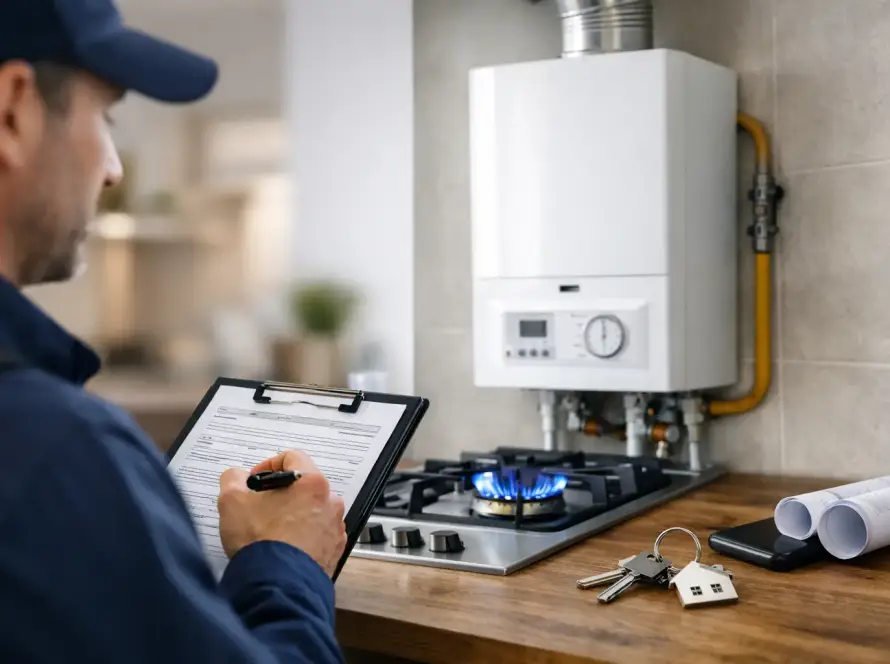
An annual boiler service is the sensible standard for most homes. It gives a qualified engineer the opportunity to inspect the appliance, test combustion and safety devices where required, check for leaks and corrosion, and identify worn parts before they cause a cold-house emergency.
It also matters for practical reasons. Many manufacturer warranties require annual servicing, and a service history can be useful when selling a property or dealing with a recurring fault. A service does not guarantee that no component will ever fail, but it reduces the chance of surprises and helps keep the boiler running efficiently.
For landlords, the requirement is different: gas appliances and flues must receive a gas safety check at least every 12 months by a Gas Safe registered engineer, with the required record provided to tenants. A gas safety check and a full boiler service are related but not identical. Ask what is included if you need both.
Can I reset my boiler safely?
A single reset following the instructions in your boiler manual is normally reasonable if there is no smell of gas, no carbon monoxide concern, no leak and no obvious damage. Boilers can lock out after a temporary interruption, low pressure or an ignition issue.
If it locks out again, stop resetting it. Repeated resets can mask a fault and leave you without heating at the worst possible time. Make a note of the fault code and when it appears, as this gives the engineer a useful starting point.
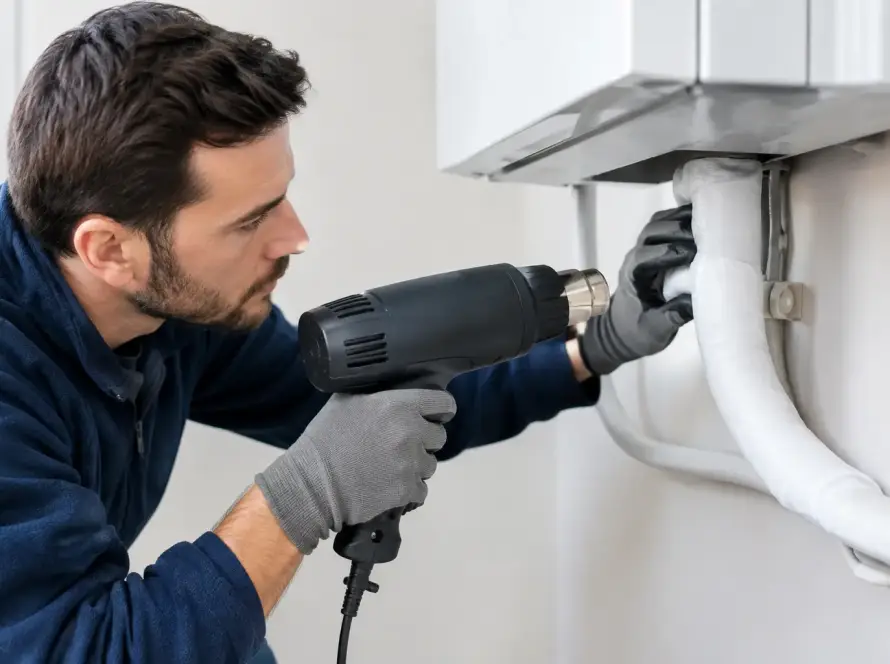
Frozen condensate pipes are a common winter example. If a boiler stops during freezing weather and displays a related fault, the external condensate pipe may be frozen. Gentle warming with warm water – never boiling water or a flame – may help, provided it is safe to reach. If you are unsure, or the pipe is high up, call an engineer rather than risk a fall or damage to the pipework.
Do I need a carbon monoxide alarm near my boiler?
Yes, every home with gas appliances should have an audible carbon monoxide alarm. Fit it in line with the alarm manufacturer’s instructions, and test it regularly. Placement matters: an alarm should not be tucked in a cupboard, placed directly beside the boiler, or treated as a substitute for a service.
Choose an alarm that meets the relevant British standard and replace it by its expiry date. Many alarms have a limited working life even if the batteries are changed. If it sounds, take it seriously, get everyone outside and follow emergency advice.
When is a boiler problem an emergency?
No heating or hot water is urgent for many households, especially where there are young children, older residents or vulnerable people at home. But the safety emergencies are clear: gas smell, a carbon monoxide alarm activation, suspected fumes, smoke, scorching, or anyone feeling unwell around an appliance.
For a normal breakdown, turn the boiler off if it is leaking or behaving unusually, then arrange a qualified repair. Avoid accepting a quick fix from anyone who cannot show they are Gas Safe registered for the type of appliance involved. Gas work is not a job for general DIY or guesswork.
Simple habits that prevent avoidable faults
Keep boiler cupboards clear, particularly around the appliance and any flue access. Do not block ventilation grilles or use the space for coats, paint tins or household clutter. Outside, make sure the flue terminal is not obstructed by bins, plants or building materials.
During colder months, use the heating regularly rather than leaving a property completely unheated for long periods. If you are away, a low frost-protection setting can help protect pipework, although the right setting depends on the property and heating controls. Smart controls such as Hive or Nest can make this easier, but they still need sensible settings and a correctly working system.
When you need fast, expert help, GASCON provides Gas Safe boiler servicing, repairs and emergency support for homeowners and landlords across Bolton and surrounding areas. A qualified local engineer can explain the fault plainly, set out the repair options and help you make a safe decision without unnecessary disruption.