

A small patch beneath the kitchen sink, a radiator that needs topping up more often, or a ceiling stain that was not there last week can all point to the same problem. Plumbing leaks rarely improve on their own. Even a slow drip can damage cupboards, flooring and plasterboard, while hidden leaks can waste water for weeks before they become obvious.
For homeowners and landlords, the priority is not to panic or start dismantling pipework. It is to make the area safe, limit the damage and arrange the right repair before a minor fault becomes a costly disruption.
When is a leak an emergency?
A leak needs urgent attention when water is flowing freely, spreading into electrical areas, coming through a ceiling, or affecting your heating or hot-water supply. Turn off the water at the internal stop tap if you can do so safely. This is commonly found under the kitchen sink, in a utility room, or close to where the mains supply enters the property.
Open the cold taps afterwards to relieve pressure and catch any remaining water with towels, bowls or buckets. If water is near sockets, light fittings, the consumer unit or electrical appliances, do not touch anything electrical. Turn off the electricity only if it is safe to reach the consumer unit without stepping through water.
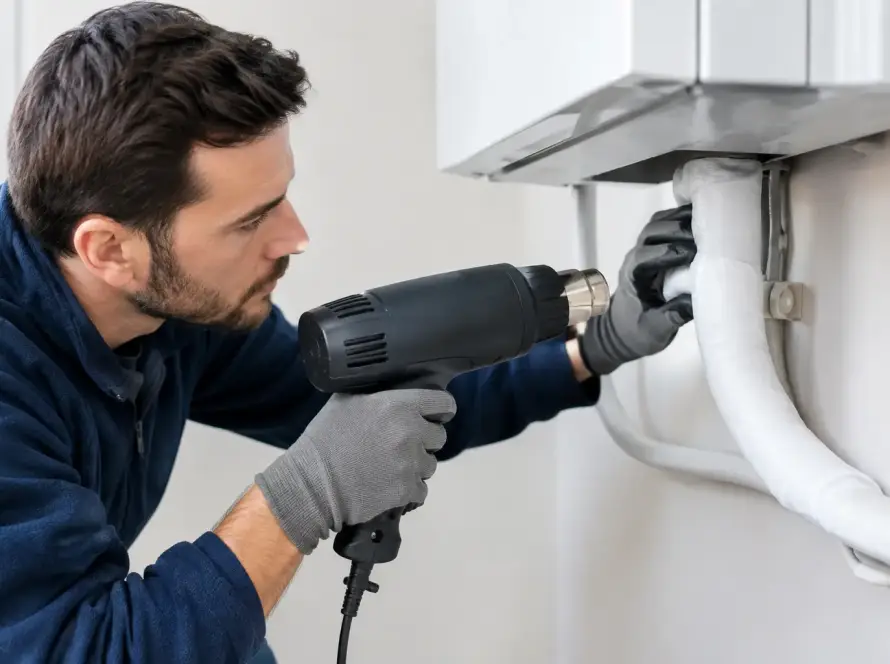
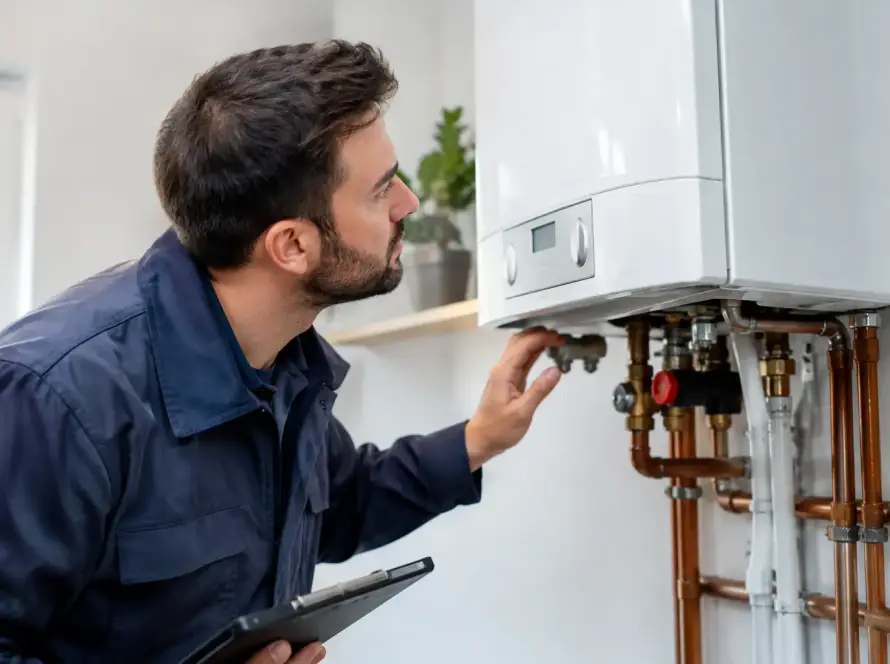
A leak from a boiler, radiator or heating pipe may need a slightly different response. Switch off the heating and avoid repeatedly repressurising the boiler. Adding water may get the system running temporarily, but it can make an active leak worse and does not address the cause. A qualified engineer can identify whether the fault is on a valve, radiator, pipe joint, pressure-relief outlet or within the boiler itself.
Gas work should never be treated as a DIY repair. If you smell gas, suspect a gas leak, or feel unwell with symptoms such as headaches or dizziness, follow the emergency gas guidance immediately and leave the property where necessary. Water leaks and gas safety are separate issues, but both demand a calm, professional response.
Common plumbing leaks around the home
Not every leak creates a dramatic puddle. Some show up as mould, a musty smell, falling boiler pressure or a gradual rise in water use. Finding the source is often more involved than tightening the nearest visible fitting.
Leaks under sinks and basins
Waste pipes beneath sinks are a frequent source of drips. Loose compression joints, worn seals, cracked traps and poor alignment can all allow water out when the sink is emptied. A leak from the tap itself may be caused by a worn cartridge, washer or valve, while water around the base of a basin can indicate failed sealant or a problem with the waste connection.
It is tempting to apply sealant over everything, but that can hide the fault rather than cure it. The joint, seal or component needs to be checked and repaired properly so the surrounding unit does not continue to swell or deteriorate.
Toilet leaks
A toilet can leak from the cistern, supply pipe, pan connector, flush mechanism or the seal around its base. Water on the floor after flushing should be dealt with promptly, particularly on an upstairs bathroom floor. If the toilet continues to run into the pan, it may not look like a leak, but it can waste a surprising amount of water and increase your bills.
Radiator and central-heating leaks
Drips around radiator valves are common, especially where components have aged or been disturbed during decorating. You may also notice a radiator losing heat, damp carpet near a valve, or boiler pressure dropping repeatedly. Corrosion inside a central-heating system can create pinhole leaks in radiators or pipework, and these are not always visible straight away.
The right repair depends on the location and condition of the system. A valve may only need repacking or replacing. A corroded radiator may be better replaced than repeatedly patched. Where the system water is dirty or corrosion is widespread, an engineer may recommend further checks and treatment rather than simply repairing one visible leak.
Leaks from appliances and pipework
Washing machines, dishwashers and fridge water feeds can leak at hoses, valves and connections. Check behind appliances periodically, especially after moving them or fitting a new machine. Leaks from concealed pipes are harder to spot, but peeling paint, soft skirting boards, warped flooring, damp smells and unexplained staining are all worth investigating.
A ceiling stain below a bathroom does not always mean the pipe directly above it has failed. Water can travel along joists and pipes before it appears, so the visible mark is not necessarily the source. Accurate diagnosis avoids opening up more walls or ceilings than necessary.
What to do while you wait for a plumber
Once the water is isolated or contained, take clear photographs of the affected area. This can help an engineer understand what has happened before arriving, and may be useful if you need to speak with your insurer. Move furniture, rugs and belongings away from the area where possible, but do not put yourself at risk trying to save items near electrics or a damaged ceiling.
Avoid using chemical leak sealers, excessive tape or makeshift repairs on pressurised pipework. These products can create a mess, complicate a proper repair and occasionally fail under pressure. A towel wrapped around a small drip may limit the immediate spread, but it is not a repair.
If the leak is from an upstairs ceiling and the plasterboard is bulging, keep clear of the area. The weight of trapped water can cause the ceiling to collapse. Isolate the water supply and seek urgent help rather than puncturing the ceiling yourself.
Preventing plumbing leaks before they start
Some leaks are unavoidable as materials age, but regular attention reduces the chance of a sudden failure. Look under sinks and around toilets every few months, particularly in seldom-used bathrooms and rental properties. Check that flexible hoses are not kinked, corroded or rubbing against sharp edges.
Keep an eye on your boiler pressure. A gradual drop can have several causes, but it should not be ignored if you are topping the system up repeatedly. Annual boiler servicing is also a sensible opportunity to check visible heating components, safety devices and the general condition of the system.
In colder weather, protect exposed pipes in garages, lofts and outside areas. Frozen water expands and can split pipework, with the damage only becoming clear when it thaws. If you are leaving the property empty during a cold spell, maintain suitable background heating and know where the stop tap is before you need it.
For landlords, prompt repairs protect the property as well as the tenant. A reported drip should be investigated early, not left until it damages a kitchen unit or the flat below. Good records of repairs and servicing also make recurring issues easier to identify.
Choosing the right help for plumbing leaks
The right person for the job depends on the fault. A straightforward leaking tap or waste pipe needs a competent plumbing repair. A leak connected to a boiler, unvented cylinder, heating controls or central-heating pipework calls for an engineer with the right experience and qualifications. Where gas appliances are involved, always use a Gas Safe registered engineer.
Ask for a clear explanation of the cause, the proposed repair and whether any further work is advisable. A good engineer will distinguish between what is urgent, what can wait, and what may prevent a repeat problem. That matters when deciding whether to repair a single part, replace an ageing component or plan wider heating improvements.
GASCON Ltd provides fast, expert help for household plumbing and heating faults across Bolton and surrounding areas, including emergency call-outs when a leak cannot wait. You should receive practical advice in plain English, careful workmanship and a clear quotation before planned work goes ahead.
The quickest way to reduce the cost and disruption of a leak is simple: isolate the water where safe, protect the area, and get the fault properly diagnosed before the next drip becomes a damaged room.