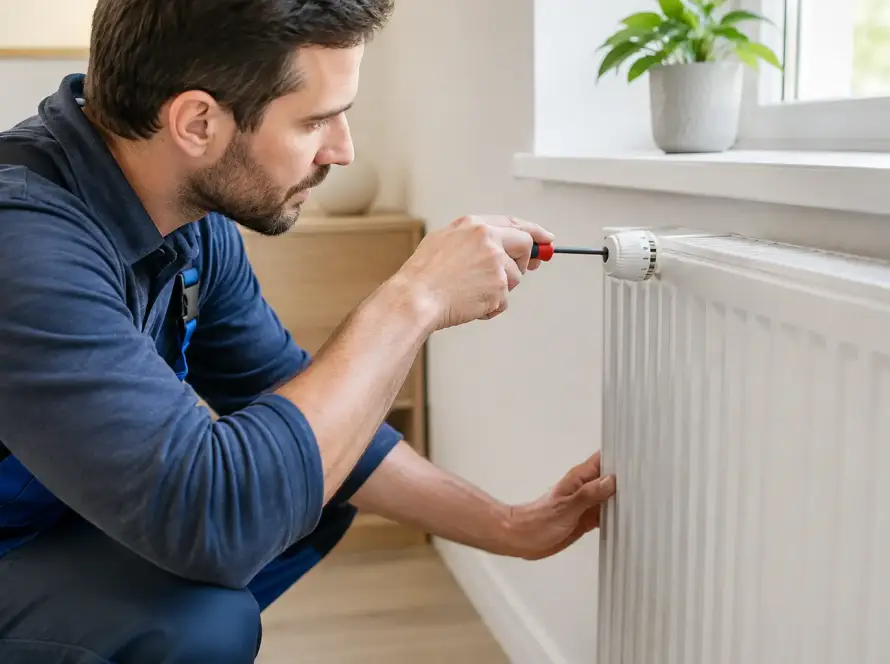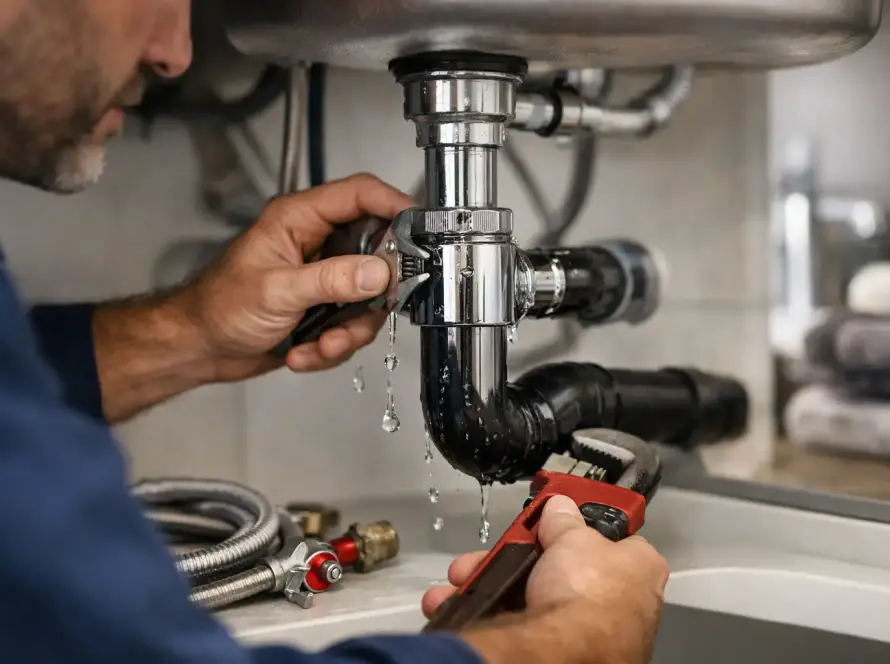


Hard water can turn a dependable boiler into an expensive nuisance sooner than many homeowners expect. If you are comparing the best boilers for hard water, the key is not simply choosing a familiar brand or the highest output. It is choosing a correctly sized, efficient boiler alongside the right protection for your water supply and heating system.
Across Bolton and Greater Manchester, limescale is a familiar issue. It tends to show up first as a furred-up kettle, reduced shower flow or white marks around taps. Inside a boiler, however, scale is less obvious and potentially more costly. It can restrict water flow, reduce heat transfer and contribute to noisy operation, reduced hot-water performance and component wear.
What makes hard water difficult for boilers?
Hard water contains dissolved minerals, mainly calcium and magnesium. When water is heated, those minerals can separate out and form limescale. A combi boiler is particularly exposed because it heats mains water directly for taps and showers through a compact heat exchanger.
A small amount of scale does not mean a boiler will fail overnight. The problem is cumulative. As deposits build, the boiler has to work harder to transfer heat into the water. That can mean longer heating times, less consistent hot water and greater strain on parts designed to operate with clear waterways.
Central-heating water is different. It circulates in a sealed loop, so it is not constantly bringing in fresh hard water. Once a system has been properly cleaned, filled and treated with inhibitor, internal corrosion and sludge are usually the bigger concerns on the heating side. The domestic hot-water side is where hard-water protection matters most.
Best boilers for hard water: what to look for
There is no single boiler that is immune to limescale. Any modern condensing boiler needs clean water, correct installation and regular servicing. However, certain choices make more sense in a hard-water area.
A boiler sized for the home, not the biggest available
An oversized boiler can short-cycle, meaning it repeatedly fires up and shuts down rather than running steadily. That is inefficient and adds unnecessary wear. It does not directly create limescale, but a properly matched boiler is always the starting point for reliable operation.
For many flats, terraced houses and smaller family homes with one bathroom, a combi boiler can still be an excellent choice. It saves space, delivers hot water on demand and avoids the heat loss associated with stored hot water. The right output depends on hot-water demand, number of bathrooms, incoming mains pressure and flow rate – not bedroom count alone.
Larger homes, or homes where two showers may run at once, may be better suited to a system boiler with an unvented cylinder. This setup stores a larger volume of hot water and can provide stronger simultaneous demand when correctly designed. It does not remove the risk of scale, so cylinder and water-treatment choices still need careful consideration.
A quality heat exchanger and good manufacturer support
Homeowners often ask whether stainless steel or aluminium heat exchangers are better for hard water. There is no universal winner. Both materials are used successfully in modern boilers, and the quality of the installation, water treatment and servicing will have more impact than material alone.
Rather than selecting a boiler on one component, look for a manufacturer with a strong parts network, clear warranty terms and a model suited to your household demand. A local Gas Safe engineer can also advise which makes and models are practical to service and repair in your area. A long warranty is useful, but only when the boiler is installed to the manufacturer’s requirements and serviced as required.
Controls that prevent wasted firing
Smart controls such as Hive or Nest, or a properly set programmable thermostat, will not stop limescale. They can, though, reduce wasted boiler operation by matching heating to when the home is occupied. Weather compensation and load compensation controls can improve efficiency further where compatible with the boiler.
The benefit is simple: fewer unnecessary firing cycles and steadier control of the heating system. That is good for comfort and can help keep running costs sensible.
The protection that matters as much as the boiler
If hard water is a known problem, spend part of the boiler budget on protecting the installation. This is often the difference between a boiler that performs well for years and one that develops avoidable hot-water issues.
A scale reducer fitted to the incoming cold-water supply can help limit limescale formation in the domestic hot-water circuit. The most suitable type depends on the property, water use, local supply and the boiler manufacturer’s instructions. Some devices need replacement cartridges, while others operate differently and require little routine attention. They should not be treated as a substitute for proper servicing.
A water softener can reduce hardness more significantly, but it needs to be designed and installed correctly. Drinking-water arrangements, bypasses and appliances must be considered, and not every household wants the ongoing salt cost and maintenance. It is a worthwhile conversation for homes with persistent scale throughout the property, rather than an automatic requirement for every boiler installation.
On the heating circuit, a magnetic system filter is strongly recommended. It captures magnetic debris and sludge before it reaches sensitive boiler components. It does not remove limescale from mains water, despite a common misunderstanding, but it is valuable protection against the dirt that circulates through radiators and pipework.
Before fitting a replacement boiler, the existing heating system should be assessed. Older systems may need a powerflush or a targeted chemical clean, depending on their condition. The system should then be dosed with the correct inhibitor. Skipping this stage to save money can put a new boiler at risk from the first day of operation.
Combi boiler or cylinder system in a hard-water area?
For a household with ordinary demand, a combi boiler plus suitable scale protection is often the most straightforward and cost-effective answer. There is less equipment to maintain, no cylinder taking up cupboard space and no stored hot-water heat loss. The trade-off is that a combi’s hot-water performance depends heavily on mains flow and pressure, and its plate heat exchanger can be affected by scale over time.
A system boiler and unvented cylinder can be the stronger option for larger families and properties with multiple bathrooms. It can deliver high hot-water flow to more than one outlet, provided the incoming mains supply and system design are up to the job. The trade-off is higher installation cost, more space and additional servicing considerations. Unvented-cylinder work must be carried out by a suitably qualified engineer.
A regular boiler with a vented cylinder may remain appropriate in some older homes, especially where the existing system layout makes conversion impractical. It is not automatically less efficient or less suitable because it is older in design. The condition of the pipework, available space, hot-water expectations and planned renovation work all matter.
Signs hard water is already affecting your boiler
A boiler does not always display an obvious fault code when scale is building up. Watch for banging, kettling or whistling noises during hot-water use, fluctuating shower temperatures, reduced hot-water flow, longer waiting times for hot water or repeated issues with the plate heat exchanger.
These symptoms can have other causes, including poor mains pressure, a blocked filter, a faulty sensor or sludge in the heating circuit. That is why diagnosis matters. Replacing parts without identifying the cause can lead to the same fault returning.
Annual boiler servicing gives an engineer the chance to check combustion, safety devices, pressures, condensate arrangements and general condition. It is also the right time to inspect the magnetic filter, review inhibitor levels where appropriate and discuss whether scale protection is doing its job. Landlords must meet their gas-safety responsibilities, but homeowners benefit from the same preventative approach.
A practical choice for Bolton homeowners
The best boiler for your home is one that meets real demand without being oversized, comes from a well-supported manufacturer and is fitted with the correct system protection. For most hard-water homes, that means a quality condensing boiler, a clean and inhibited heating circuit, a magnetic filter and an appropriate scale-reduction plan for the domestic supply.
At GASCON Ltd, we assess the full picture before recommending a replacement: your current boiler faults, radiator condition, hot-water use, water pressure and future plans for the property. That helps avoid paying for a boiler that looks good on paper but is wrong for the way your household runs.
If your kettle is scaling up quickly, your shower temperature is inconsistent or your boiler has needed repeated hot-water repairs, do not wait for a complete breakdown. A straightforward inspection can clarify whether the answer is servicing, water treatment, a repair or a better-planned boiler replacement.