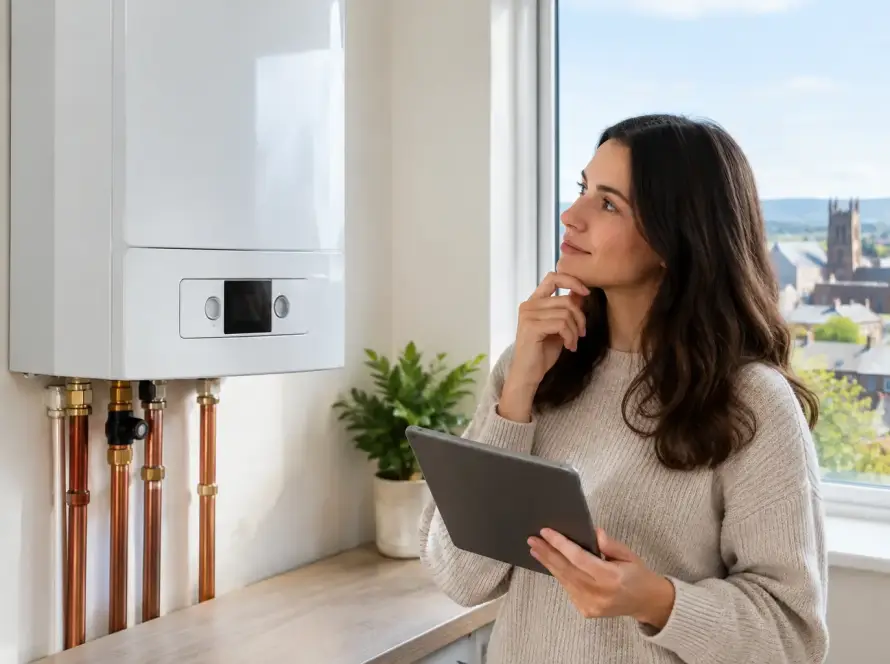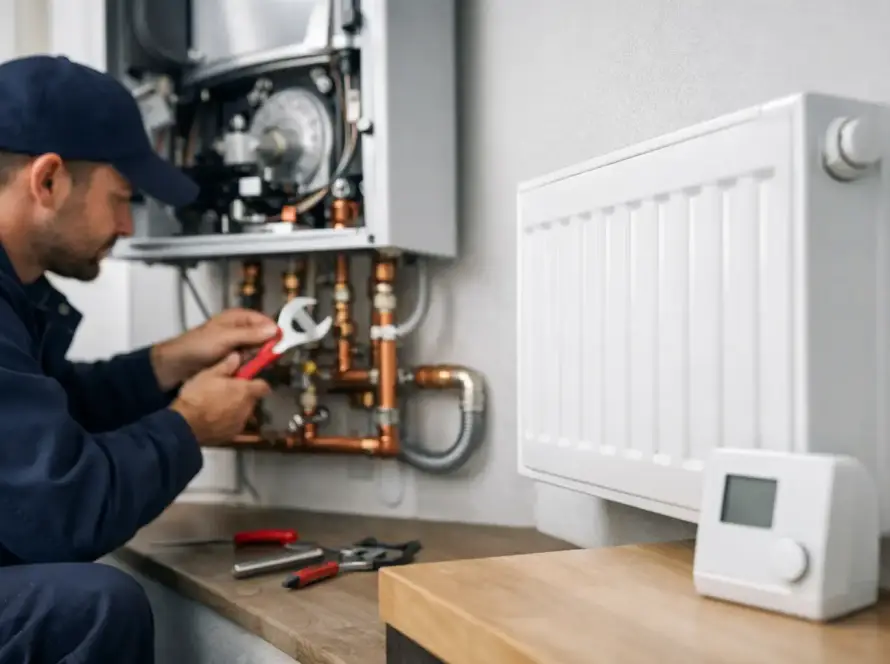


A heating upgrade used to mean one simple decision: replace the boiler when it failed. Future home heating is less about fitting one new appliance and more about making the whole property work better – from the controls on the wall to the radiators, pipework, insulation and hot-water system behind it.
For homeowners and landlords in Bolton, the most sensible next step is rarely to rip everything out at once. It is to understand where heat is being lost, where energy is being wasted and which improvements will make a genuine difference to comfort and bills. A well-planned system can also reduce the chances of being left without heating or hot water when you need it most.
What Future Home Heating Really Means
There is plenty of noise around the future of domestic heating, particularly around heat pumps, hydrogen and the long-term use of gas boilers. But the practical reality for most homes is more straightforward. The future is likely to be lower-carbon, more efficient and more controllable, with different technologies suited to different properties.
A modern condensing gas boiler remains a sensible choice for many existing homes, particularly where a reliable gas supply, suitable radiators and a conventional wet central-heating system are already in place. Replacing an older, inefficient boiler can improve reliability and reduce wasted fuel, especially when it is correctly sized and installed with effective controls.
At the same time, more households are considering electric-led options such as air-source heat pumps. These can work very well, but they are not a like-for-like boiler swap. They need a proper assessment of insulation, heat loss, radiator sizes, available space and hot-water demand. The right answer depends on the home, not the latest headline.
Start With the Heat Your Home Already Loses
Before choosing a new boiler or alternative heating technology, look at the building itself. A home that loses heat quickly will be harder and more expensive to keep warm whatever system is installed.
Loft insulation, draught-proofing, glazing, wall construction and poorly insulated pipework all affect how much heat a property needs. This does not mean every homeowner needs a major renovation before improving their heating. It does mean that simple fabric improvements can make the system more effective and may allow it to run at lower temperatures.
Lower flow temperatures matter because they help modern condensing boilers operate more efficiently. They are also central to successful heat-pump design. If a room is chilly because of a small radiator or heat loss through an external wall, turning up the thermostat is only treating the symptom.
An experienced heating engineer can assess common weak points during a survey. Sometimes the most valuable improvement is not the appliance itself, but a radiator upgrade, balancing the system or correcting poor controls.
Smarter Controls Make a Noticeable Difference
Heating controls are one of the most practical ways to bring an existing system closer to future-ready performance. A boiler can only work efficiently if it is told when, where and how much heat is required.
Smart thermostats such as Hive and Nest allow homeowners to programme heating around their routine, adjust temperatures remotely and avoid heating an empty property for longer than necessary. They can be particularly useful for busy households, landlords managing a rental property, or anyone whose working pattern changes week to week.
However, a smart thermostat is not a magic cure for high bills. If it is fitted without considering thermostat location, radiator valves, boiler settings and zoning, the result may be little better than the control it replaced. Good system wiring and correct commissioning are what turn smart technology into a useful everyday tool.
For larger homes, separate heating zones can be worthwhile. Upstairs bedrooms do not always need the same temperature or schedule as the living area. Zoned heating gives greater control, but it adds complexity and needs to be designed properly so pumps, valves and controls communicate correctly.
Radiators and Pipework Still Matter
A new heat source will not perform at its best if the rest of the system is neglected. Sludge, corrosion and debris can restrict circulation, create cold spots and put unnecessary strain on boiler components. Radiators may take a long time to warm up, stay cool at the bottom or make noise as water moves through the system.
Cleaning and protecting a heating system, replacing faulty valves and balancing radiators can improve heat distribution without a full replacement. In some properties, upgrading selected radiators makes more sense than changing every radiator in the house.
This becomes particularly relevant if a household is considering lower-temperature heating in future. Heat pumps generally deliver water at a lower temperature than a traditional boiler, so radiators need enough surface area to give out the required heat. Larger radiators are not automatically necessary in every room, but a room-by-room heat-loss calculation is far more reliable than guesswork.
Pipework also deserves attention during renovations and extensions. Undersized, badly routed or ageing pipework can limit performance. Planning it properly while floors or walls are open can prevent avoidable disruption later.
Boilers Will Still Have a Place for Many Homes
For households facing a breakdown today, reliability comes first. A repair may be the right choice where a boiler is otherwise sound and parts are available. If faults are becoming regular, repairs are increasingly costly or the boiler is inefficient, replacement can offer a more dependable long-term route.
The best boiler installation is not necessarily the highest-output model. An oversized boiler can cycle on and off too frequently, while an undersized one may struggle to meet hot-water and heating demand. The right size depends on the number of bathrooms, household usage, property heat loss and whether a combi boiler, system boiler or unvented cylinder is most suitable.
An unvented cylinder, for example, can provide strong hot-water performance for homes with more than one bathroom, provided there is suitable mains pressure and it is installed and maintained by a qualified engineer. A combi may be a better fit for a smaller home where space is limited and simultaneous hot-water demand is lower.
Gas appliances must always be installed, serviced and repaired by a Gas Safe registered engineer. Annual servicing helps keep a boiler operating safely, identifies developing faults and protects the investment you have made in the system.
Heat Pumps: Worth Considering, Not Guessing At
Air-source heat pumps are likely to play a growing part in UK home heating. They use electricity to move heat from outside air into the home, rather than creating heat by burning gas. When designed well, they can provide efficient space heating and hot water with lower carbon emissions as the electricity grid continues to decarbonise.
But a heat pump is not automatically the best choice for every Bolton property today. Outdoor-unit location, planning considerations, internal space for a cylinder, electrical capacity, insulation levels and radiator performance all need reviewing. Installation costs can also be higher than a straightforward boiler replacement, even where support schemes are available.
For some homeowners, a carefully specified gas boiler and upgraded controls will be the right immediate solution. For others, especially those planning major refurbishment work, a heat pump may be worth designing for now. The useful question is not, “What is everyone else installing?” It is, “What will keep this particular home comfortable, affordable and reliable over the next 10 to 15 years?”
Plan Upgrades Around Your Home, Not Panic
Future heating decisions do not need to happen all at once. A staged approach is often easier to budget for and less disruptive. Start with maintenance and controls, address weak radiators or system water quality, then consider boiler replacement or alternative technology when the timing and property are right.
Landlords should also think beyond minimum compliance. A reliable, controllable heating system makes a property more attractive to tenants and can reduce emergency call-outs, void periods and repeat repair costs. Clear instructions for controls and regular servicing are just as valuable as the equipment choice.
For any major work, ask for a clear survey and fixed-price quotation that explains what is included. That should cover the appliance or technology proposed, controls, radiator or pipework alterations where required, system cleaning, commissioning and how the installer will leave the property. A lower initial price is not always better value if essential work has been left out.
GASCON can help homeowners and landlords make sense of these choices, whether the immediate need is a boiler repair, a smart-control upgrade, radiator work or a planned replacement. The aim should be practical: a safe system that heats your home evenly, gives you dependable hot water and is ready for the improvements that make sense when the time comes.
The best future-proofing usually starts with one honest assessment of the system you have now – before a small fault becomes a cold house and an urgent decision.