

A landlord gas safety certificate in Bolton is not paperwork to leave until a tenant asks for it. It is a legal requirement designed to identify unsafe gas appliances, faulty flues and risks such as carbon monoxide before they put someone in danger. For landlords, arranging the check on time protects tenants, protects the property and avoids the stress of chasing compliance when a tenancy is about to begin.
The certificate is commonly called a CP12, although the formal document is a Landlord Gas Safety Record. It must be completed by a suitably qualified Gas Safe registered engineer. A general handyman, plumber without the right gas registration, or a boiler installer who is not qualified for the appliance in question cannot carry out a valid landlord gas safety check.
Who needs a landlord gas safety certificate in Bolton?
If you let a property with gas appliances, you will usually need an annual gas safety check. This applies whether you own one buy-to-let house, several properties, a flat above commercial premises or a house in multiple occupation. The duty sits with the landlord, even where a managing agent arranges appointments on your behalf.
The check covers gas appliances and flues provided by the landlord. In a typical Bolton rental home, that may include the boiler, gas fire, cooker or hob, and any associated flue. The engineer will also assess whether the installation is operating safely, whether ventilation is suitable where required, and whether there are signs of unsafe combustion or a flue issue.
A tenant’s own gas appliance is normally not the landlord’s responsibility to have checked. However, the landlord remains responsible for the gas pipework, flues and appliances they provide. Shared responsibility can become unclear in converted properties or HMOs, so it is worth checking the set-up rather than assuming someone else has it covered.
When is the gas safety check due?
A Landlord Gas Safety Record must be renewed every 12 months. You can arrange the new inspection up to two months before the existing certificate expires and keep the original anniversary date, provided the previous check was carried out within the permitted window. This is often the easiest way to avoid a last-minute booking and maintain a sensible annual schedule.
For a new tenant, the check must be completed before they move in. Existing tenants should receive a copy of the current record within 28 days of the inspection. You must also keep your gas safety records for at least two years.
Good diary management makes a genuine difference here. Set a reminder six to eight weeks ahead of the expiry date, especially if you manage several tenancies. It gives you time to agree access with the tenant, deal with any repair identified during the inspection and issue the updated paperwork without pressure.
A gas safety check is not the same as a boiler service
This is a point that catches many landlords out. A gas safety inspection confirms that relevant gas appliances and flues are safe at the point of testing. A boiler service is more detailed maintenance intended to help the boiler run efficiently and reliably.
A safety check may identify a fault, but it is not a substitute for the manufacturer’s recommended annual service. Equally, a boiler service does not automatically provide a Landlord Gas Safety Record unless the engineer has completed the required landlord safety checks and issued the correct documentation.
For many rental properties, arranging both together is practical. It can reduce disruption for the tenant, help keep the boiler warranty conditions in order where applicable, and uncover wear before it becomes a no-heating call-out in the middle of winter. The right approach depends on the age, condition and service history of the boiler.
What happens during a landlord gas safety inspection?
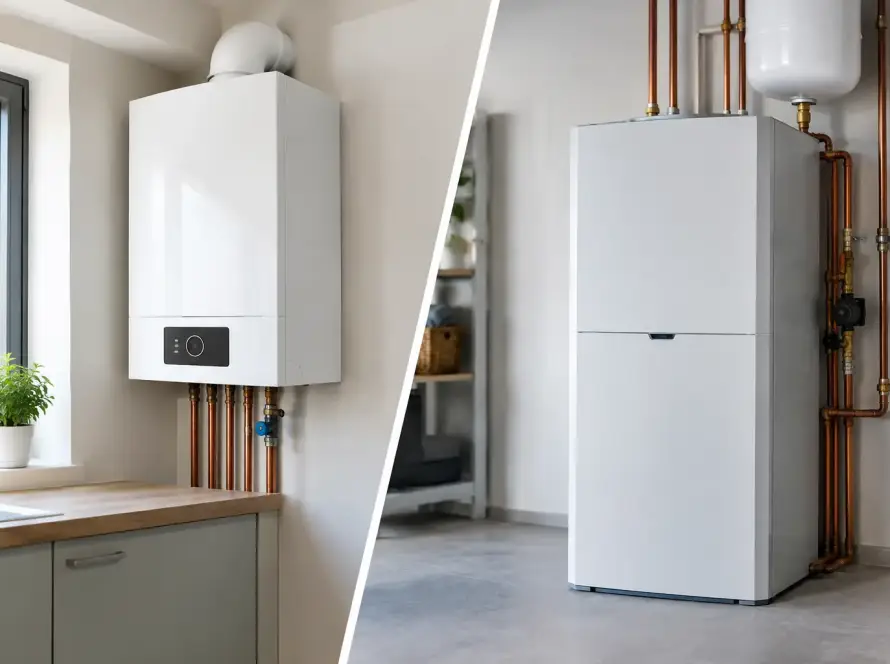
A competent Gas Safe engineer will inspect the relevant appliances, gas pipework and flues, then carry out appropriate safety tests. The exact work depends on what is installed at the property. A modern room-sealed combi boiler requires different checks from an older open-flued boiler or a gas fire.
The engineer will check that appliances are burning gas correctly, that flues are safely removing combustion gases, and that safety devices are working as they should. They will look for obvious damage, unsuitable installation issues and signs that an appliance may be unsafe to use. Where necessary, they may carry out gas-tightness testing and checks for unsafe levels of carbon monoxide.
If everything is satisfactory, you receive the Landlord Gas Safety Record. It should identify the property, list the appliances checked, record the tests and findings, show any defects, and include the engineer’s Gas Safe registration details.
If an appliance is found to be unsafe, the priority is making the property safe. Depending on the fault, the appliance may need to be turned off, disconnected or labelled as unsafe until a repair is completed. That can be inconvenient, particularly if it is the only source of heating or hot water, but leaving a dangerous appliance in use is not an option.
Preparing the property and tenant for the visit
The inspection is usually straightforward when access is planned properly. Let the tenant know the date and approximate arrival time in writing, and explain that the appointment is a safety requirement rather than an optional visit. Landlords should give reasonable notice before entering a tenant’s home, except in a genuine emergency.
Ask the tenant to ensure the boiler cupboard, gas meter and appliances can be accessed. If the boiler is boxed in, stored areas are crowded or a flue route cannot be viewed, the engineer may be unable to complete the inspection. That can lead to a return visit and delay the certificate.
Tenants do occasionally refuse access or repeatedly miss appointments. You cannot force entry simply to carry out the annual check, but you should keep clear records of every reasonable attempt to arrange it. Keep copies of letters, messages, proposed dates and any responses. This evidence matters if you need to show that you took all reasonable steps to meet your legal duties.
Common issues that delay a certificate
The most avoidable problem is leaving the booking until the certificate has already expired. A busy winter period, a tenant who works shifts, or a fault found during the inspection can all turn a simple appointment into a compliance gap.
Other frequent problems include a boiler that has not been serviced for years, a deteriorated flue, poor access to an appliance, missing ventilation around an older installation, or a gas hob that has developed an ignition or burner fault. None of these should be ignored because the certificate is due. A clear report and prompt repair plan are far safer than hoping the issue will wait.
For landlords with older boilers, it is worth considering the wider cost picture. Repeated breakdowns, hard-to-source parts and poor efficiency can make ongoing repair less sensible than replacement. There is no one answer – a well-maintained boiler may have plenty of life left – but a qualified engineer can explain the condition of the system in plain language and help you make a proportionate decision.
Choosing an engineer for your Bolton property
Always check that the engineer is Gas Safe registered and qualified for the type of work required. Gas Safe registration is the essential starting point, but local knowledge, clear communication and reliable appointment handling matter too when you are responsible for tenants.
A good engineer will explain any findings without unnecessary jargon, provide the correct record promptly, and be honest about what needs immediate attention versus what can be planned. If repairs are needed, ask for a clear quotation and understand whether the work affects heating, hot water or the tenant’s ability to use the property safely.
GASCON Ltd provides local Gas Safe engineering support for landlords across Bolton, including landlord gas safety checks, boiler servicing and repairs. With more than 20 years of practical experience, the focus is on doing the work properly, communicating clearly and helping landlords keep their homes safe for the people living in them.
A certificate is only one part of looking after a rented home, but it is a valuable annual moment to check that the heating system is safe, accessible and being properly maintained. Book early, keep your records organised and deal with concerns promptly – your tenant should be able to feel safe every time they turn on the heating or hot water.