Skip to content Skip to footer

When Do You Need a Gas Engineer in Bolton?

A boiler that has stopped producing hot water on a cold morning is more than an inconvenience. A gas smell near the meter, a pilot light that keeps going out or a radiator system that never warms evenly can leave you wondering whether the problem is urgent, expensive or safe to live with. Knowing when to call a qualified gas engineer takes the guesswork out of the situation and helps protect your home, household and heating budget.

For homeowners and landlords in Bolton and the surrounding area, the right engineer should offer clear advice, safe workmanship and a realistic explanation of the options – whether that means a straightforward repair, a planned service or a longer-term heating upgrade.

What a gas engineer can safely do

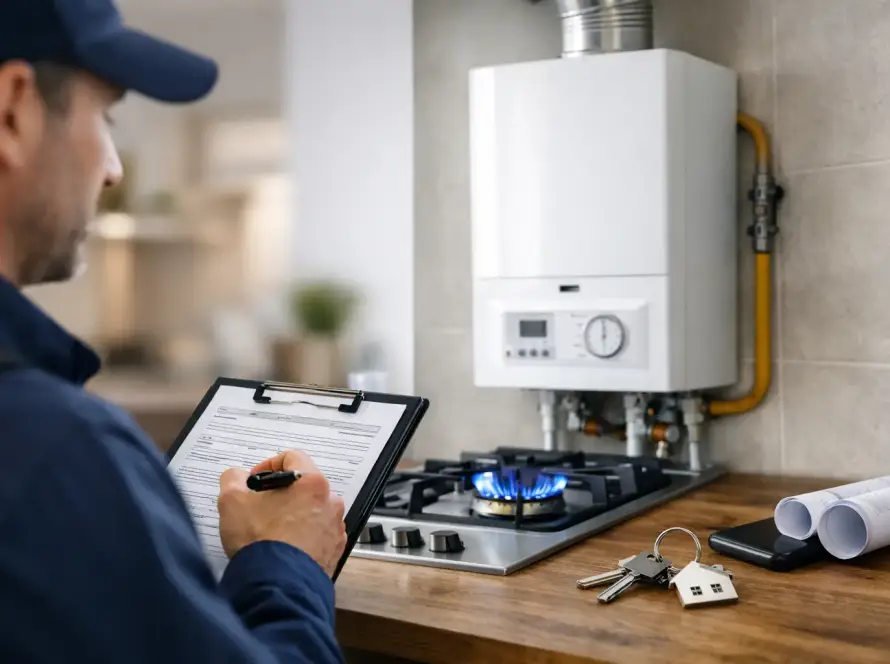
A gas engineer works on appliances and pipework that use gas, including boilers, gas fires, cookers and central-heating systems. Their work is not limited to fixing a boiler once it has failed. A properly qualified engineer can diagnose faults, service appliances, test gas safety, install replacement boilers, repair heating controls and advise on system improvements that make a home easier and cheaper to heat.

The key point is qualification. Any engineer carrying out gas work in your home must be Gas Safe registered and qualified for the specific type of appliance involved. Registration is not a general badge that covers every job. An engineer may be qualified for domestic boilers, for example, but a different category can apply to other appliances or commercial work. It is sensible to ask to see their Gas Safe ID card before work begins and check that it covers the job you need completed.

This is especially important when a fault seems minor. A boiler losing pressure may be caused by a simple issue, but it can also point to a leak or a failing component. A cooker that is not lighting properly could be an ignition fault, but gas appliances should never be dismantled or adjusted as a DIY job. Safe diagnosis comes first.

When to call a gas engineer urgently

Some problems cannot wait for a convenient appointment. If you can smell gas, suspect a gas leak or your carbon monoxide alarm sounds, act immediately. Turn off the gas supply at the emergency control valve only if it is safe to do so, open doors and windows, avoid switches and naked flames, leave the property, and contact the appropriate emergency gas service. Do not return until you have been told it is safe.

Carbon monoxide has no smell, taste or colour, which is why working alarms are essential in rooms with fuel-burning appliances. Symptoms can include headaches, dizziness, nausea, breathlessness and confusion. If anyone feels unwell and carbon monoxide is suspected, get into fresh air and seek urgent medical advice.

Other issues may not require the emergency gas network, but they still call for a rapid response from a local gas engineer. These include a boiler displaying a fault code with no heating or hot water, water leaking from the boiler, repeated pressure loss, unusual banging noises, or a boiler that switches itself off regularly. In winter, a heating failure can quickly affect comfort, frozen-pipe risk and the wellbeing of young children, older residents or anyone medically vulnerable.

A reliable engineer will assess the symptoms, make the appliance safe where necessary and explain what has failed before recommending a repair. Sometimes the correct answer is a replacement part and a repair. Sometimes repeated breakdowns, poor efficiency or unavailable parts make replacement the more sensible investment. It depends on the boiler’s age, condition, repair history and the needs of the household.

Boiler servicing is preventative, not optional housekeeping

Many boiler faults develop gradually. A blocked condensate trap, worn seal, dirty component or combustion issue may not stop the boiler straight away, yet it can reduce performance or develop into a larger problem. An annual boiler service gives a qualified engineer the opportunity to inspect the appliance, check it is operating safely and identify early warning signs.

For landlords, an annual gas safety check is a legal responsibility for relevant gas appliances and must be completed by a Gas Safe registered engineer. Homeowners are not under the same legal duty, but annual servicing remains the sensible route for safety, reliability and manufacturer warranty conditions. Keep the service record with your home paperwork, particularly if you may sell or let the property later.

A service is not the same as a repair. Servicing checks the condition and safe operation of the boiler, while a repair addresses a known fault. If the engineer identifies a problem during the visit, they should explain what it is, whether the boiler can be used safely and what the cost and timescale of repair will be.

A gas engineer can improve the whole heating system

It is easy to focus solely on the boiler, but comfort and efficiency depend on the complete system. If rooms heat unevenly, some radiators stay cold at the bottom or the boiler seems to run constantly, the issue may be with circulation, controls, radiator sizing, pipework or system balance rather than the boiler itself.

A practical assessment looks at how your home is used. A growing family may need better hot-water capacity. A loft conversion or extension can alter the heating demand significantly. Older radiators may no longer suit the rooms they serve, and a thermostat located in the wrong place can cause the heating to switch off before colder areas are comfortable.

Smart controls such as Hive or Nest can help households manage heating around their actual routine. They are useful when properly installed and set up, but they are not a cure for an undersized boiler, sludge in the system or poor insulation. The best solution is usually a combination of sensible controls, a well-maintained boiler and a heating system designed for the property.

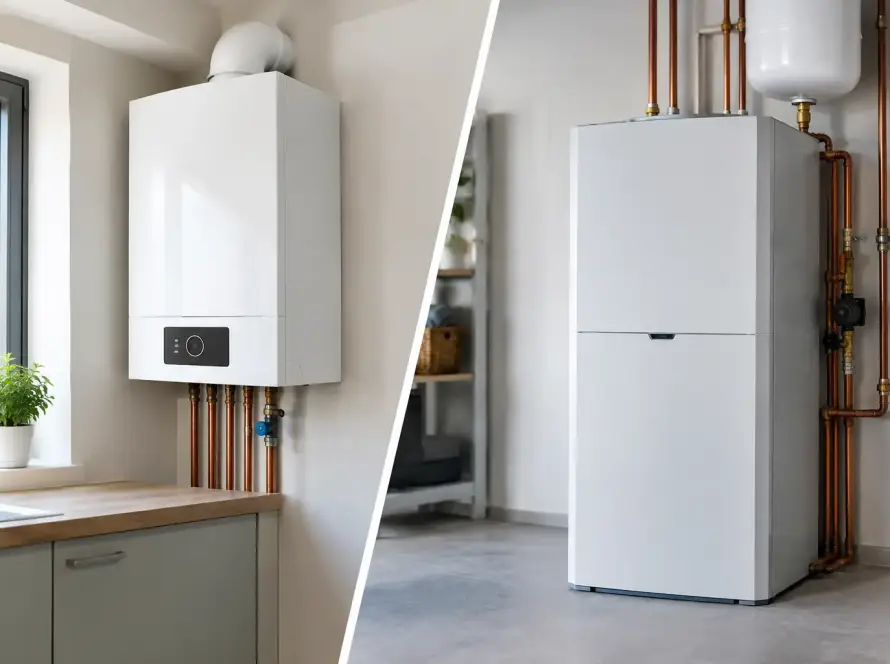
For larger work, such as a boiler replacement, unvented cylinder installation or major renovation, ask for a clear fixed-price quotation. It should set out what is included, what model or components are proposed, whether system cleaning or upgrades are needed, and how the work will affect your daily routine. A good installer will not simply recommend the most powerful boiler. Boiler selection should reflect the number of bathrooms, hot-water demand, property size, existing system and future plans.

Choosing a local gas engineer with confidence

Price matters, particularly when a breakdown arrives unexpectedly, but the cheapest quote is not always the best value. An unclear quotation can lead to disputes over parts, labour, call-out charges or extra work discovered later. Look for an engineer who communicates plainly, provides a written quotation for planned work and is willing to explain why a repair or replacement is recommended.

Local experience also makes a difference. An engineer who regularly works in Bolton homes will understand the mix of older terraces, family semis, modern estates and extended properties across the area. Each can bring different challenges, from ageing pipework and limited airing-cupboard space to high hot-water demand and complicated heating zones.

Customer feedback can be useful, but read beyond the star rating. The most helpful reviews mention whether the engineer arrived when promised, kept the work area tidy, explained the fault, gave an honest price and returned if follow-up work was needed. These are the details that show how a business handles the disruption of work in someone’s home.

GASCON Ltd combines more than 20 years of hands-on experience with Gas Safe registered work, planned appointments and emergency call-outs. Whether the job is a boiler repair, radiator replacement, smart control installation or a full heating upgrade, the aim is straightforward: fast, expert help with clear communication from the first call.

What to have ready when you call

You do not need technical knowledge to report a boiler or heating problem effectively. It helps to have the boiler make and model, any fault code shown on the display, details of what has changed and whether you still have heating or hot water. If there is a leak, describe where the water is appearing, but do not remove the boiler casing or attempt repairs yourself.

For a planned installation quote, think about what is not working well in the current setup. Perhaps the shower loses temperature when another tap runs, bedrooms are colder than the living room, or your boiler is becoming unreliable. Sharing those details gives the engineer a better starting point than simply asking for a like-for-like replacement.

The best time to deal with a small heating concern is before it becomes a no-heating emergency. If your boiler is overdue a service, your radiators are struggling or a fault has started appearing intermittently, arranging a professional check now can make the next cold spell far less stressful.


Leave a comment

0.0/5

A boiler that has stopped producing hot water on a cold morning is more than an inconvenience. A gas smell near the meter, a pilot light that keeps going out or a radiator system that never warms evenly can leave you wondering whether the problem is urgent, expensive or safe to live with. Knowing when to call a qualified gas engineer takes the guesswork out of the situation and helps protect your home, household and heating budget.

For homeowners and landlords in Bolton and the surrounding area, the right engineer should offer clear advice, safe workmanship and a realistic explanation of the options – whether that means a straightforward repair, a planned service or a longer-term heating upgrade.

What a gas engineer can safely do

A gas engineer works on appliances and pipework that use gas, including boilers, gas fires, cookers and central-heating systems. Their work is not limited to fixing a boiler once it has failed. A properly qualified engineer can diagnose faults, service appliances, test gas safety, install replacement boilers, repair heating controls and advise on system improvements that make a home easier and cheaper to heat.

The key point is qualification. Any engineer carrying out gas work in your home must be Gas Safe registered and qualified for the specific type of appliance involved. Registration is not a general badge that covers every job. An engineer may be qualified for domestic boilers, for example, but a different category can apply to other appliances or commercial work. It is sensible to ask to see their Gas Safe ID card before work begins and check that it covers the job you need completed.

This is especially important when a fault seems minor. A boiler losing pressure may be caused by a simple issue, but it can also point to a leak or a failing component. A cooker that is not lighting properly could be an ignition fault, but gas appliances should never be dismantled or adjusted as a DIY job. Safe diagnosis comes first.

When to call a gas engineer urgently

Some problems cannot wait for a convenient appointment. If you can smell gas, suspect a gas leak or your carbon monoxide alarm sounds, act immediately. Turn off the gas supply at the emergency control valve only if it is safe to do so, open doors and windows, avoid switches and naked flames, leave the property, and contact the appropriate emergency gas service. Do not return until you have been told it is safe.

Carbon monoxide has no smell, taste or colour, which is why working alarms are essential in rooms with fuel-burning appliances. Symptoms can include headaches, dizziness, nausea, breathlessness and confusion. If anyone feels unwell and carbon monoxide is suspected, get into fresh air and seek urgent medical advice.

Other issues may not require the emergency gas network, but they still call for a rapid response from a local gas engineer. These include a boiler displaying a fault code with no heating or hot water, water leaking from the boiler, repeated pressure loss, unusual banging noises, or a boiler that switches itself off regularly. In winter, a heating failure can quickly affect comfort, frozen-pipe risk and the wellbeing of young children, older residents or anyone medically vulnerable.

A reliable engineer will assess the symptoms, make the appliance safe where necessary and explain what has failed before recommending a repair. Sometimes the correct answer is a replacement part and a repair. Sometimes repeated breakdowns, poor efficiency or unavailable parts make replacement the more sensible investment. It depends on the boiler’s age, condition, repair history and the needs of the household.

Boiler servicing is preventative, not optional housekeeping

Many boiler faults develop gradually. A blocked condensate trap, worn seal, dirty component or combustion issue may not stop the boiler straight away, yet it can reduce performance or develop into a larger problem. An annual boiler service gives a qualified engineer the opportunity to inspect the appliance, check it is operating safely and identify early warning signs.

For landlords, an annual gas safety check is a legal responsibility for relevant gas appliances and must be completed by a Gas Safe registered engineer. Homeowners are not under the same legal duty, but annual servicing remains the sensible route for safety, reliability and manufacturer warranty conditions. Keep the service record with your home paperwork, particularly if you may sell or let the property later.

A service is not the same as a repair. Servicing checks the condition and safe operation of the boiler, while a repair addresses a known fault. If the engineer identifies a problem during the visit, they should explain what it is, whether the boiler can be used safely and what the cost and timescale of repair will be.

A gas engineer can improve the whole heating system

It is easy to focus solely on the boiler, but comfort and efficiency depend on the complete system. If rooms heat unevenly, some radiators stay cold at the bottom or the boiler seems to run constantly, the issue may be with circulation, controls, radiator sizing, pipework or system balance rather than the boiler itself.

A practical assessment looks at how your home is used. A growing family may need better hot-water capacity. A loft conversion or extension can alter the heating demand significantly. Older radiators may no longer suit the rooms they serve, and a thermostat located in the wrong place can cause the heating to switch off before colder areas are comfortable.

Smart controls such as Hive or Nest can help households manage heating around their actual routine. They are useful when properly installed and set up, but they are not a cure for an undersized boiler, sludge in the system or poor insulation. The best solution is usually a combination of sensible controls, a well-maintained boiler and a heating system designed for the property.

For larger work, such as a boiler replacement, unvented cylinder installation or major renovation, ask for a clear fixed-price quotation. It should set out what is included, what model or components are proposed, whether system cleaning or upgrades are needed, and how the work will affect your daily routine. A good installer will not simply recommend the most powerful boiler. Boiler selection should reflect the number of bathrooms, hot-water demand, property size, existing system and future plans.

Choosing a local gas engineer with confidence

Price matters, particularly when a breakdown arrives unexpectedly, but the cheapest quote is not always the best value. An unclear quotation can lead to disputes over parts, labour, call-out charges or extra work discovered later. Look for an engineer who communicates plainly, provides a written quotation for planned work and is willing to explain why a repair or replacement is recommended.

Local experience also makes a difference. An engineer who regularly works in Bolton homes will understand the mix of older terraces, family semis, modern estates and extended properties across the area. Each can bring different challenges, from ageing pipework and limited airing-cupboard space to high hot-water demand and complicated heating zones.

Customer feedback can be useful, but read beyond the star rating. The most helpful reviews mention whether the engineer arrived when promised, kept the work area tidy, explained the fault, gave an honest price and returned if follow-up work was needed. These are the details that show how a business handles the disruption of work in someone’s home.

GASCON Ltd combines more than 20 years of hands-on experience with Gas Safe registered work, planned appointments and emergency call-outs. Whether the job is a boiler repair, radiator replacement, smart control installation or a full heating upgrade, the aim is straightforward: fast, expert help with clear communication from the first call.

What to have ready when you call

You do not need technical knowledge to report a boiler or heating problem effectively. It helps to have the boiler make and model, any fault code shown on the display, details of what has changed and whether you still have heating or hot water. If there is a leak, describe where the water is appearing, but do not remove the boiler casing or attempt repairs yourself.

For a planned installation quote, think about what is not working well in the current setup. Perhaps the shower loses temperature when another tap runs, bedrooms are colder than the living room, or your boiler is becoming unreliable. Sharing those details gives the engineer a better starting point than simply asking for a like-for-like replacement.

The best time to deal with a small heating concern is before it becomes a no-heating emergency. If your boiler is overdue a service, your radiators are struggling or a fault has started appearing intermittently, arranging a professional check now can make the next cold spell far less stressful.

Working Hours

Mon-Fri: 8 AM – 6 PM

Saturday: 8 AM – 2 PM

Sunday: Closed

Office
Kermoor Avenue, Bolton, Greater Manchester, UK
Get in Touch

Jigsaw Digital Marketing © 2026. All Rights Reserved.

Gascon CHS Ltd is an Introducer Appointed Representative of TradeHelp for the purpose of credit broking introductions only. Our firm reference number is 994819. TradeHelp is a trading style of TradeHelp Ltd, Marchwiel Centre, Bryn Lane, Wrexham Ind Est, LL13 9UT, registered in England (03712438), authorised, and regulated by the Financial Conduct Authority (firm reference number 697812). TradeHelp are a credit broker, not a lender, and offer loans from a small panel of carefully selected lenders. TradeHelp do not offer financial advice and do not charge you for credit broking services. All loans are subject to status.

Connect via WhatsAppWhatsApp