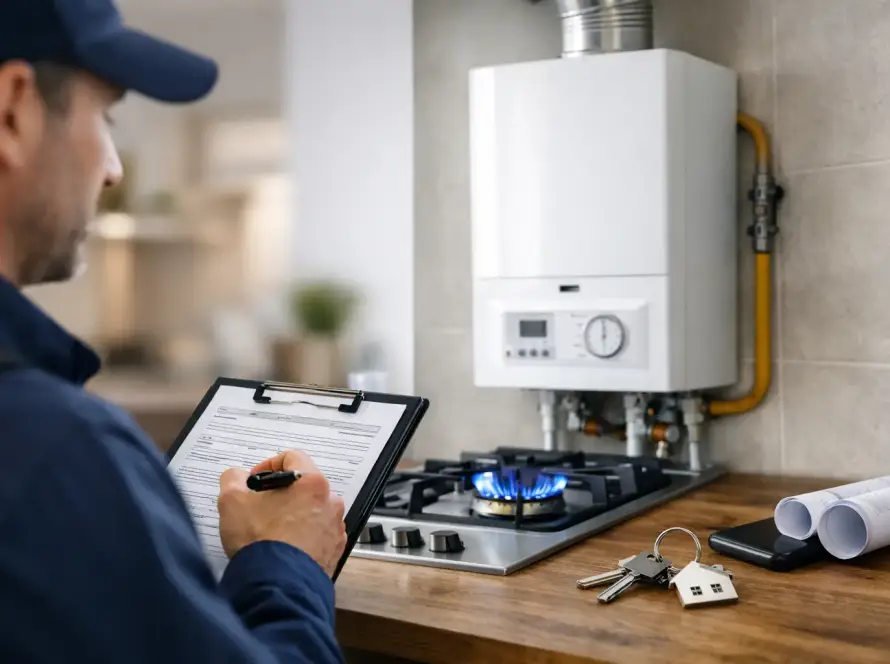


If you are asking, “why does boiler smell?”, trust your instincts and take the smell seriously. A properly fitted and well-maintained boiler should not give off a noticeable odour in normal use. Some smells are harmless and short-lived, particularly after a period without heating, but others can point to a gas leak, an electrical fault or a combustion problem that needs urgent attention.
The key is not to guess. Think about what the smell resembles, when it appears and whether there are any other warning signs, such as a loss of heating, unusual boiler noises, a yellow flame, marks around the appliance or a carbon monoxide alarm sounding.
Why does a boiler smell? Start with the type of odour
Different smells can suggest very different faults. The safest approach is to avoid taking the boiler casing apart or trying to repair it yourself. Boilers contain gas, electricity, water and combustion components, so diagnosis and repairs should be carried out by a Gas Safe registered engineer.
A sulphur or rotten-egg smell
A strong sulphur-like or rotten-egg smell may indicate a gas leak. Natural gas is treated with a distinctive odour so people can detect it quickly. If you can smell gas in or around your home, do not ignore it, even if the boiler still appears to be working.
Turn off the gas supply at the emergency control valve only if you know where it is and it is safe to do so. Open doors and windows if possible, avoid naked flames and do not smoke. Do not use electrical switches, doorbells, chargers or appliances, as a spark could ignite escaped gas. Leave the property and call the National Gas Emergency Service on 0800 111 999 from outside. Once the immediate risk has been made safe, arrange for a Gas Safe engineer to inspect and repair the appliance or pipework.
A burning dust smell when the heating first comes on
After the heating has been off over summer, a faint burning-dust smell can occur when a boiler, radiators or pipework first warm up. Dust that has settled on warm surfaces can create a temporary smell, which should clear fairly quickly with ventilation.
That said, a persistent burning smell is not normal. If it smells like hot plastic, melting cable insulation or scorching, switch the boiler off and seek professional help. Electrical components, wiring, the fan or the circuit board may be overheating. Do not keep resetting the boiler in the hope that the problem will disappear.
A musty, damp or stagnant-water smell
A damp smell near the boiler can be linked to a small water leak, condensation issue or moisture trapped in a cupboard. Look for visible drips, staining, corrosion, swollen shelving or damp patches around nearby pipework. Even a slow leak can cause damage over time and may affect boiler pressure or lead to internal faults.
Older heating systems can also develop unpleasant-smelling water if the system is dirty or has been neglected. Black sludge in central-heating water does not always create an obvious smell, but it can contribute to cold radiators, boiler noise and poor efficiency. A qualified engineer can assess whether a repair, system clean or water treatment is appropriate rather than recommending work that is not needed.
A chemical or sweet smell
Some homeowners notice a chemical or sweet odour near a heating system. This can sometimes be associated with antifreeze products used in particular systems, cleaning chemicals, a leak from a sealed system or materials warming up after recent installation work.
If the smell started after a new boiler, radiator or smart heating control was fitted, make a note of when it happens and whether boiler pressure is dropping. The installer should be able to check the system and confirm whether the odour is temporary or linked to a fault.
Smells that need an urgent boiler check
A smell alone does not always tell the full story. It becomes more concerning when it appears alongside changes in how your boiler performs. Arrange prompt help if there is a smell plus repeated lockouts, banging or whistling noises, leaking water, soot-like marks, poor hot-water performance or radiators that will not heat properly.
Pay particular attention to signs of unsafe combustion. A gas flame should normally be crisp and blue. A lazy yellow or orange flame, dark staining around the boiler, or excessive condensation in the room can indicate that the appliance is not burning gas correctly. Do not attempt to adjust the boiler yourself. Turn it off if you are concerned and have it checked by a Gas Safe registered engineer.
Carbon monoxide has no smell
One of the most important points is that carbon monoxide cannot be detected by smell. It is a colourless, odourless gas produced when fuel does not burn properly. A boiler can smell completely normal while still presenting a carbon monoxide risk, which is why regular servicing and an audible carbon monoxide alarm are so important.
Symptoms of carbon monoxide exposure can include headaches, dizziness, nausea, breathlessness, confusion and feeling unusually tired. Symptoms may improve when you leave the property and return when you are back inside. If you suspect carbon monoxide, get everyone into fresh air immediately, seek urgent medical advice and do not re-enter until the situation has been assessed.
A carbon monoxide alarm is not a replacement for servicing, but it is a vital extra layer of protection. Fit an approved alarm in the same room as a gas appliance, following the manufacturer’s positioning instructions, and test it regularly.
What you can check safely before calling an engineer
There are a few observations that can help an engineer identify the issue faster. Check whether the smell is strongest at the boiler, near a radiator, by the flue outlet or in the cupboard where the appliance is installed. Notice whether it occurs only when the heating is on, when hot water is running, or all the time.
You can also look for obvious water around the boiler, check whether the pressure gauge has fallen below its usual level and see if there is an error code on the display. Take a photograph of the code if it is safe to do so. Avoid removing the boiler cover, touching internal parts or repeatedly pressing reset. Those actions can hide a fault temporarily or make diagnosis more difficult.
For landlords, reports of boiler smells should be treated promptly. Tenants should never be asked to investigate a suspected gas or combustion issue themselves. A professional inspection protects the occupants, the property and your legal responsibilities.
Can an annual boiler service prevent bad smells?
In many cases, yes. An annual boiler service gives an engineer the chance to inspect the appliance, check combustion performance, assess the flue, look for leaks and make sure safety devices are operating as they should. It can also identify worn seals, corroded parts and early signs of faults before they become a no-heating emergency.
Servicing does not prevent every problem. External pipework can leak, electrical components can fail and a boiler may develop an unexpected fault between appointments. However, regular maintenance is one of the best ways to reduce the chance of unpleasant odours, unreliable heating and avoidable repair costs.
If your boiler smells unusual, particularly if the odour is gassy, burning or persistent, act early rather than waiting for it to worsen. For homeowners and landlords across Bolton and the surrounding area, GASCON can provide fast, expert help from a local Gas Safe engineer who will explain the fault clearly and advise on the safest next step.